
You are miles from shore, the wind picks up, and your boat starts drifting off your mark. That is when you need a trolling motor that can hold position, cut through current, and keep you fishing without interruption. The best offshore trolling motor combines raw thrust, GPS precision, and saltwater durability. This guide evaluates eight top models from trusted brands so you can find the right match for your boat and fishing style.
Whether you run a center console, bay boat, or flats skiff, the right trolling motor transforms your time on the water. We focus on bow mount and transom mount options with features like spot lock, heading hold, and long shaft lengths. For a deeper look at GPS equipped models, read our guide on best trolling motor with GPS.




Buying Guide
Thrust and Shaft Length
Thrust determines how well your motor pushes against wind, current, and waves. For offshore fishing, you generally need at least 55 pounds of thrust for a 16 to 18 foot boat. Larger vessels or heavier loads demand 70 to 100 pounds. Pair that with a shaft long enough to keep the propeller submerged in rough water. Shafts of 50, 54, or even 75 inches handle deep hulls and high freeboards.
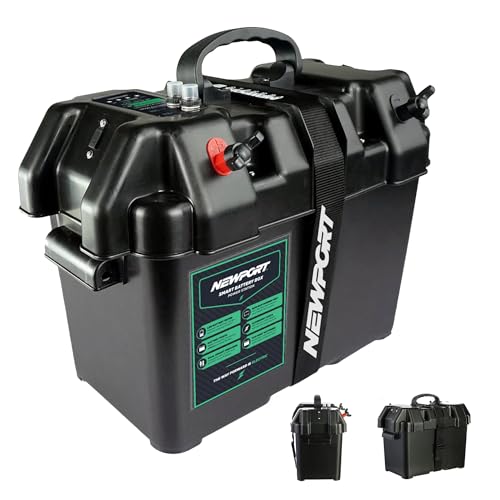
Many anglers pair high thrust motors with a reliable battery. Check our recommendations for best marine battery for trolling motor type to ensure you have enough runtime for full day trips.
GPS and Spot Lock Capabilities
GPS integration is no longer a luxury. It is a necessity for offshore fishing. Spot lock holds your boat in a precise location, even with wind and current pushing against you. Heading lock lets you steer a straight line while you focus on your rods. Advanced systems from Minn Kota and Garmin offer multi band GPS and AHRS for rock solid positioning. For a detailed comparison of spot lock models, see our article on top 5 spot lock trolling motors.
Saltwater Construction and Corrosion Resistance
Saltwater is brutal on metal components. Look for motors with marine grade aluminum housings, stainless steel fasteners, and powder coated finishes. Sealed electronics and sacrificial anodes add extra protection. Minn Kota uses a multi step coating process on its Riptide series, while Garmin Force motors feature fully sealed housings. Newport Vessels also offers corrosion resistant builds at a lower price point.
Mounting Style and Ease of Deployment
Bow mount motors offer superior control and are ideal for hands free operation with a wireless remote or foot pedal. They deploy and stow quickly with lever or gas spring mechanisms. Transom mount motors are simpler and more affordable, fitting smaller boats and kayaks. If you want a compact option for a skiff or inflatable, transom mounts work well. For larger offshore boats, bow mount is the standard.
If you are considering a transom mount, read our review of top transom mounted trolling motors for more options.
Final Thoughts
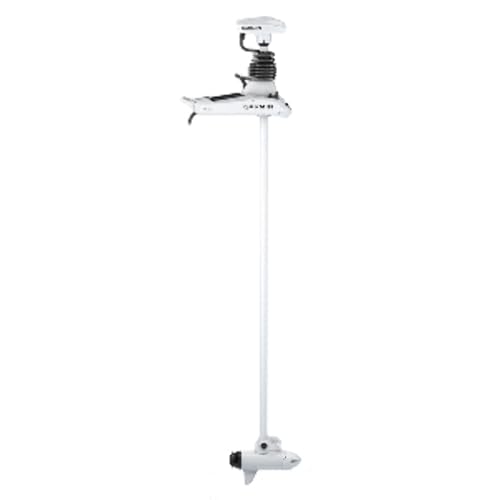
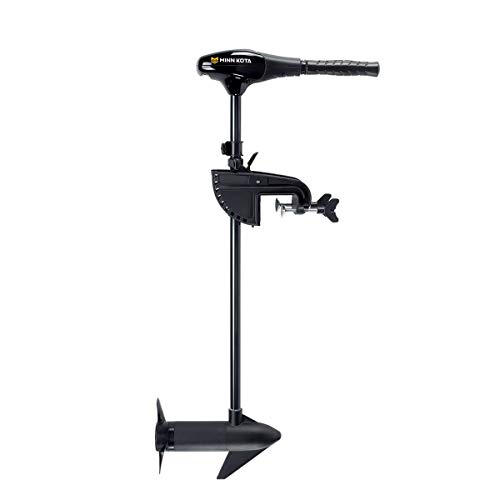
Choosing the best offshore trolling motor comes down to your boat size, typical conditions, and how much control you need. For anglers who demand the ultimate in GPS precision and sonar integration, the Garmin Force Pro Trolling Motor Black 50″ delivers exceptional performance with multi band GPS and a built in transducer. If you prefer a proven, feature rich bow mount with spot lock and jog control at a more accessible price, the Minn Kota Terrova Bow-Mount Electric Trolling remains a top choice for serious offshore fishermen.
Frequently Asked Questions
What size trolling motor do I need for offshore fishing?
For most offshore boats between 16 and 22 feet, a thrust rating of 55 to 70 pounds is sufficient. Larger boats or those frequently facing strong currents benefit from 80 to 100 pounds of thrust. Shaft length should be at least 50 inches, with 54 or 75 inches preferred for deep V hulls and high freeboards.
Is GPS spot lock worth it for offshore trolling?
Absolutely. GPS spot lock holds your boat in a precise location without constant manual adjustment. This is invaluable when you need to stay over a wreck, reef, or structure while fighting fish or changing baits. It also reduces battery drain compared to constantly running the motor to hold position.
Can I use a freshwater trolling motor in saltwater?
It is not recommended. Freshwater motors lack the corrosion resistant coatings and sealed components needed to survive saltwater exposure. Using one in saltwater will void the warranty and lead to rapid deterioration. Always choose a motor specifically rated for saltwater use.
How do I connect a trolling motor to my fish finder?
Many modern trolling motors, like the Garmin Force Pro, come with built in transducers that connect directly to compatible chartplotters. For other models, you can mount an external transducer on the shaft or use a universal sonar pod. For tips on integration, check our guide on best trolling motor for LiveScope.