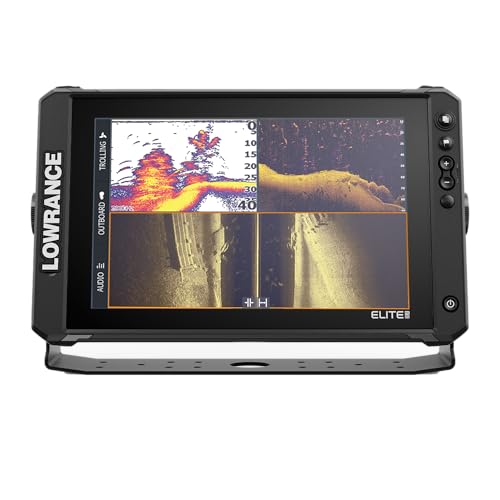

You’ve been scanning the water for hours, but the fish remain elusive. The frustration of guessing where the schools are hiding can turn a promising day into a disappointing one. That’s where a reliable fish finder becomes your most valuable tool. This guide provides thorough fish finder reviews and ratings for 2026, focusing on three standout models from RICANK, aqxreight, and Takkicept. Whether you’re a weekend angler or a seasoned pro, these devices will help you locate fish with confidence. For more insights, explore our side imaging fish finders category.


Buying Guide
Display Quality and Visibility
A clear display is crucial for interpreting underwater data. Look for screens with high brightness and anti-glare features, especially if you fish in direct sunlight. The Takkicept model excels here with its 1500 nits peak brightness and foldable sunshade, ensuring visibility even in harsh conditions. For handheld units, an adjustable backlight can make a big difference during dawn or dusk trips.
Sonar Capabilities and Depth Range
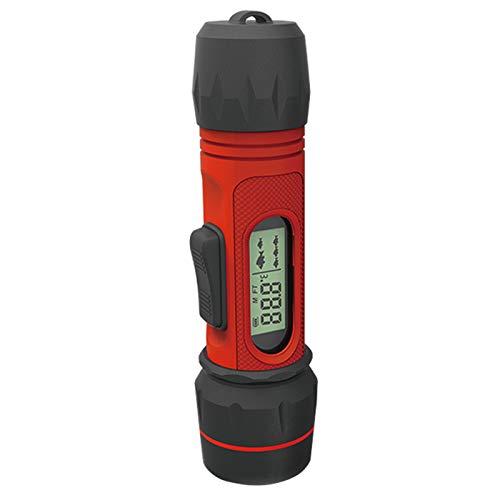
The sonar system determines how accurately you detect fish and underwater structures. A 200kHz transducer, like the one in the aqxreight model, is ideal for freshwater fishing and provides reliable depth readings up to 328 feet. Consider your typical fishing environment: deeper waters may require a more powerful sonar, while shallow lakes benefit from a wider beam angle. For a deeper dive into handheld options, check out our HawkEye DT1H review.
Battery Life and Portability
Long battery life ensures you stay on the water without interruptions. The Takkicept model boasts an 8000mAh battery that lasts up to 15 hours, perfect for extended kayak trips or ice fishing sessions. Portable units like the RICANK depth finder are lightweight and easy to carry, making them suitable for shore fishing or hiking to remote spots. Always check the battery type and charging options to match your usage patterns.
Durability and Waterproofing
Fishing gear faces constant exposure to water, mud, and rough handling. An IP68 rating, as seen in the Takkicept camera, offers protection against submersion and dust. The RICANK model is water-resistant up to 100 feet, adding versatility for snorkeling or diving. A reinforced cable and rugged construction ensure the device withstands strong currents and accidental drops. For more on rugged designs, see our ice fishing fish finder reviews.
Final Thoughts
After evaluating these three models, the Takkicept Underwater Camera Fish Finder 5 Inch IPS stands out for anglers who want a visual advantage with its high-definition camera and long battery life, while the RICANK Depth Finder with Temperature offers a portable, durable solution for those who prefer sonar-based detection and temperature readings. Both deliver exceptional value for their respective use cases, ensuring you spend less time searching and more time catching.
Frequently Asked Questions
How does a fish finder work?
A fish finder uses sonar technology to send sound waves into the water. These waves bounce off objects like fish, structures, and the bottom, then return to the transducer. The device processes these echoes to display depth, fish location, and bottom composition on a screen.
Can I use a fish finder for ice fishing?
Yes, many portable fish finders are designed for ice fishing. Models like the Takkicept and RICANK work well in cold conditions, with features like long battery life and waterproof construction. For more options, browse our ice fishing fish finder reviews.
What is the difference between a camera fish finder and a sonar fish finder?
A camera fish finder provides live video footage of underwater activity, ideal for seeing fish behavior and structure. A sonar fish finder uses sound waves to detect fish and depth, offering a broader coverage area. Both have their strengths: cameras excel in clear water, while sonar works well in murky conditions.
How deep can a portable fish finder measure?
Depth range varies by model. The aqxreight portable fish finder measures up to 328 feet, while the RICANK depth finder covers 2.5 to 300 feet. Always check the specifications to ensure they match your fishing environment.