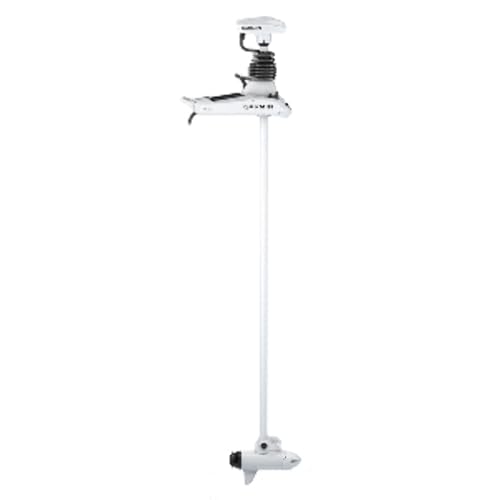

You’re finally on the perfect honey hole, the fish are biting, but the wind keeps pushing your boat off the spot. You spend more time repositioning than actually fishing. That’s where a trolling motor with spot lock comes in, it’s the single most effective tool for holding your position. In this guide, we’ll walk you through the top 5 spot lock trolling motors for 2026, covering everything from GPS accuracy and thrust to durability and control options. Whether you’re a weekend angler or a tournament pro, we’ve got a pick for you. If you’re on a budget, check out our cheapest bow mount trolling motor options to see more affordable alternatives.


Buying Guide: What to Look for in a Spot Lock Trolling Motor
Choosing the right spot lock trolling motor can feel overwhelming with so many options. To make the right decision, focus on a few key criteria that directly affect performance and your fishing experience. We’ve broken down the most important factors below.
GPS Accuracy and Anchor Lock Performance
The core of any spot lock motor is its GPS system. Look for models with advanced GPS that offer precise holding, like Minn Kota’s Spot-Lock with Jog, which lets you fine-tune your position by 5 feet in any direction. Garmin’s Force Pro uses multiband GPS for superior accuracy, even in challenging conditions. A motor that holds your position within a few feet is essential for staying on structure.
Consider how the motor handles wind and current. Some models have drift mode or follow mode, which can be useful for specific fishing techniques. For a deeper dive into how spot lock compares to other features, see our review of the Minn Kota Terrova for LiveScope.
Thrust and Shaft Length
Thrust is what keeps your boat in place against wind and current. For a 16-20 foot boat, 55 to 70 pounds of thrust is usually sufficient. Larger boats need more power. Shaft length is equally important; it must reach deep enough into the water to avoid cavitation, especially in rough conditions. Measure the height of your boat’s bow to determine the correct shaft length, typically 54 or 60 inches.
If you have a larger boat, you might also want to check out our guide on the best 24-volt transom mount trolling motors for more power options.
Control Options and Connectivity
Modern spot lock motors come with a variety of control methods: wireless remotes, foot pedals, and even smartphone apps. Decide what feels most natural to you. A wireless remote is great for hands-free operation, while a foot pedal allows for precise steering. Also, consider integration with your fish finder. Garmin motors integrate seamlessly with Garmin chartplotters, and Minn Kota offers i-Pilot Link for compatible Humminbird units. For a broader look at top-rated models, visit our list of top rated bow mount trolling motors.
Durability and Corrosion Resistance
Your trolling motor will spend its life exposed to water, so durability is key. For saltwater anglers, look for motors with marine-grade corrosion protection, like Minn Kota’s Riptide series, which features a grit-blasted and powder-coated lower unit. Freshwater models are typically fine, but still consider a motor with a robust composite shaft. A durable motor will last for years, even with regular use.
Final Thoughts
After evaluating the top models, our overall recommendation is the Minn Kota Terrova Bow-Mount Electric Trolling for its unmatched Spot-Lock accuracy, user-friendly remote, and proven reliability, making it the best all-around choice for most freshwater anglers. For those who demand the absolute best in GPS technology and are willing to invest in a premium system, the Garmin Force® Pro Trolling Motor Black 50″ offers superior multiband GPS and powerful performance, ideal for serious tournament competitors. Both motors will keep you locked on the fish, giving you more time to do what you love.
Frequently Asked Questions
How does spot lock work on a trolling motor?
Spot lock uses GPS to maintain your boat’s position by automatically adjusting the motor’s thrust and direction to counteract wind and current. When you engage it, the motor records your coordinates and works to keep you within a few feet of that point. This allows you to drop your anchor electronically and focus on fishing.
What is the difference between spot lock and anchor lock?
Spot lock is Minn Kota’s proprietary GPS anchoring system, while anchor lock is Garmin’s equivalent. Both function similarly, using GPS to hold your position, but they are not interchangeable. The choice between them often comes down to which brand of electronics you already use, as each integrates best with its own ecosystem.
Can I use a spot lock trolling motor in saltwater?
Yes, but you need a model specifically designed for saltwater use. Look for motors with enhanced corrosion protection, like the Minn Kota Riptide series. These motors have coated lower units and sealed components to withstand the harsh saltwater environment. Using a freshwater motor in saltwater can lead to premature failure.
How much thrust do I need for my boat?
As a rule of thumb, you need about 2 pounds of thrust for every 100 pounds of boat weight. For a 16-20 foot boat, 55 to 70 pounds of thrust is usually adequate. For larger boats, consider 80 pounds or more. Also, factor in wind and current conditions you typically fish in. For more on sizing, check out our guide on marine batteries for trolling motors.