
You have just spent a long morning on the lake, and the fish are biting, but you cannot tell where they are hiding. Your old fish finder is confusing, with tiny buttons and a screen that washes out in the sun. You need a device that works right out of the box, shows you what is below, and does not require a degree in sonar technology. This guide covers the best and easiest fish finder to use in 2026, focusing on models that prioritize simplicity without sacrificing performance. Whether you fish from a kayak, a boat, or the shore, these picks will help you spend less time fiddling and more time catching. For a deeper look at interpreting what you see on screen, check out our guide on how to read a fish finder.


![[FishPRO® 2026 Upgrade] NO.1 HD 1080P Underwater Fishing Camera 7'' IPS- w/10,000mAh (Ease to Use) N/DVR Ice Fishing Camera, Fish Finder Camera for Ice Lake Boat Fishing w/USB-C, LED+IR, 82ft](https://m.media-amazon.com/images/I/51VQklT8-vL._SL500_.jpg "[FishPRO® 2026 Upgrade] NO.1 HD 1080P Underwater Fishing Camera 7'' IPS- w/10,000mAh (Ease to Use) N/DVR Ice Fishing Camera, Fish Finder Camera for Ice Lake Boat Fishing w/USB-C, LED+IR, 82ft")



Buying Guide: What Makes a Fish Finder Easy to Use?
Screen Quality and Visibility
A bright, clear display is the foundation of a user-friendly fish finder. You want a screen that remains readable in direct sunlight and from wide angles, so you never have to squint or shade it with your hand. Look for IPS panels or high-resolution color displays that show fish arches, structure, and bottom contours with crisp detail. The Garmin Striker Vivid series, for example, uses vivid scanning sonar color palettes that make it easy to distinguish fish from weeds or rocks at a glance. A larger screen, like the 7-inch or 9-inch models, also reduces eye strain during long days on the water.
Installation and Setup
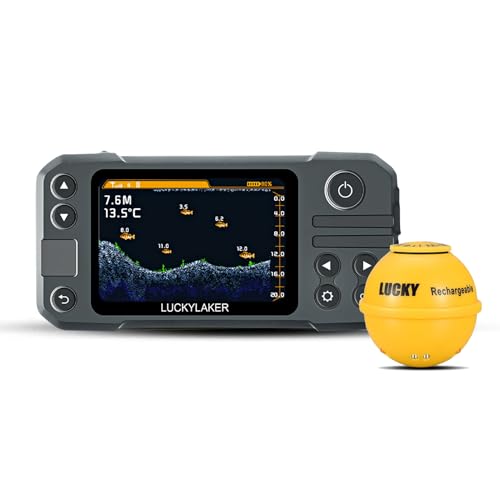
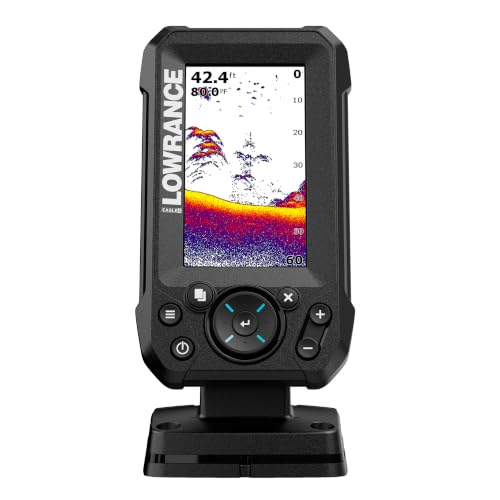
The easiest fish finders require minimal assembly and no drilling into your boat. Portable models with wireless or castable sensors, such as the Venterior Portable Rechargeable Fish Finder, let you start fishing within minutes. You simply toss the sensor into the water and turn on the handheld display. For fixed-mount units, look for models with a tilt/swivel bracket and a simple twist-lock connector, like the Lowrance Eagle 4X. If you fish from a kayak, you might also want to read our step-by-step guide on installing a fish finder on a kayak.
Sonar Technology and Auto-Tuning
Advanced sonar features are only helpful if they are easy to operate. The best fish finders for beginners include auto-tuning sonar that adjusts sensitivity, depth range, and noise rejection automatically. This means you do not need to tweak settings constantly to get a clear picture. Models like the Lowrance Eagle 4X feature auto-tuning sonar that provides optimized settings out of the box. For those who want scanning sonar, the Garmin Striker Vivid series offers CHIRP ClearVü and SideVü with intuitive color palettes that highlight fish and structure without complicated menus. To understand the difference between down imaging and side imaging, see our comparison of down imaging vs side imaging.
Portability and Power Options
If you fish from multiple locations or prefer to travel light, a portable fish finder is a game changer. Handheld and castable models are compact, battery-powered, and fit in a tackle box or backpack. The Yoocylii Handheld Fish Finder runs on AAA batteries and is perfect for kayak, dock, or ice fishing. Rechargeable options, like the Venterior Portable Rechargeable Fish Finder, offer longer run times and eliminate the need for disposable batteries. For more advice on selecting the right unit for your needs, explore our expert buying guide for choosing a fish finder.
Final Thoughts
After evaluating the top contenders, the Garmin Striker Vivid 7sv stands out as the best overall choice for anglers who want a powerful yet intuitive fish finder with a large screen and vivid sonar palettes. For those who need something ultra-portable and simple, the Venterior Portable Rechargeable Fish Finder offers wireless convenience and clear color display without any installation hassle. Both models deliver on the promise of being the best and easiest fish finder to use, so you can focus on what matters most: catching fish.
Frequently Asked Questions
What is the easiest fish finder to use for a beginner?
For beginners, the Garmin Striker Vivid 4cv is an excellent choice because it combines a simple interface with auto-tuning sonar and a clear 4-inch color display. Its vivid scanning sonar color palettes make it easy to identify fish and structure without complex menu navigation. If you prefer a portable option, the Venterior Portable Rechargeable Fish Finder requires no installation and works right out of the box.
Do I need a fish finder with side imaging?
Side imaging is not essential for every angler, but it greatly expands your view of the underwater world by showing structure and fish to the sides of your boat. If you fish in large lakes or rivers with scattered cover, side imaging can help you locate productive spots faster. For a detailed breakdown, read our guide to the cheapest fish finders with side scan.
Can I use a fish finder for ice fishing?
Yes, many portable fish finders are suitable for ice fishing. Models like the FishPRO HD 1080P Underwater Fishing Camera and the Yoocylii Handheld Fish Finder work well in cold conditions. The FishPRO camera even includes a 10,000mAh battery for extended use and a magnetic spool system for easy deployment. Just ensure the transducer or sensor can be submerged in ice holes without damage.
How do I read a fish finder screen?
Reading a fish finder screen involves understanding sonar returns: fish appear as arches or icons, structure shows as irregular shapes, and the bottom is a solid line. Most modern fish finders, including the Garmin Striker Vivid series, use color palettes that make these elements easy to distinguish. For a complete tutorial, visit our beginner’s guide on how to read a fish finder.