

You’re on the water, the sun is rising, and you cast your line with hope. But after hours of waiting, your cooler is still empty. The secret to a successful fishing trip often lies beneath the surface, and a quality fish finder can unlock that hidden world. But with so many models and features, how do you choose the right one? This guide will walk you through the essential factors to consider, ensuring you pick a fish finder that matches your needs and budget. We’ll also highlight some excellent resources that can deepen your understanding and turn you into a more effective angler.
Whether you’re a weekend warrior or a seasoned pro, this guide is designed for you. We’ll break down the technical jargon, focus on what really matters, and help you make an informed decision. If you’re just starting your search, exploring the side imaging fish finders category can give you a great overview of advanced models.

![The Ultimate Fish Finder Guide ★★★★★ [2023]: How to use your fish finder the right way & catch more fish then ever](https://m.media-amazon.com/images/I/41MIJRv1xeL._SL500_.jpg "The Ultimate Fish Finder Guide ★★★★★ [2023]: How to use your fish finder the right way & catch more fish then ever")


Buying Guide: Key Factors to Consider
1. Display Quality and Screen Size
The display is your window to the underwater world. A high-resolution screen with good sunlight readability is crucial. You don’t want to squint at a blurry screen when the sun is glaring off the water. Look for a fish finder with a bright, high-contrast display that you can easily read in all conditions.
Screen size matters too. A larger screen allows you to see more detail and interpret the data more easily. However, consider your boat’s space and your budget. For kayaks and small boats, a compact unit might be more practical. If you’re comparing models, check out our garmin striker vs echomap comparison to see how different displays stack up.
2. Sonar Technology: CHIRP, DownScan, and Side Imaging
Sonar is the heart of any fish finder. Traditional 2D sonar shows fish as arches, but modern CHIRP technology sends a continuous sweep of frequencies, providing clearer targets and better separation. DownScan gives you a photo-like image of the bottom, while side imaging scans a wide area to your left and right, helping you locate structure and fish that are away from your boat.
Consider what type of fishing you do most. If you fish in deep water, CHIRP is a game-changer. If you’re exploring new lakes, side imaging can save you time. For a deeper dive into side imaging, our side imaging fish finders page is a great resource.
3. GPS and Chartplotting Capabilities
GPS isn’t just for navigation; it’s a powerful fishing tool. With GPS, you can mark waypoints at productive spots, track your trolling path, and return to the exact location where you caught a trophy. Some fish finders also come with built-in maps, allowing you to see underwater contours and find drop-offs and humps.
If you often fish in unfamiliar waters, a unit with GPS is almost essential. It can also be a safety feature, helping you navigate back to the launch in low visibility. The garmin striker vs lowrance hook reveal comparison highlights how different brands handle GPS integration.
4. Ease of Use and Installation
You don’t want to spend hours fiddling with menus or struggling with a complicated installation. Look for a fish finder with an intuitive interface that you can navigate easily, even with wet hands. Touchscreen models are becoming popular, but physical buttons can be more reliable in rough conditions.
Consider how you’ll mount the transducer. Some transducers can be glued to the hull, while others need to be clamped or bolted. For kayaks, a portable or castable fish finder might be a better fit. If you’re a kayak angler, check out our deeper pro plus 2 review for a look at a castable option.
Final Thoughts
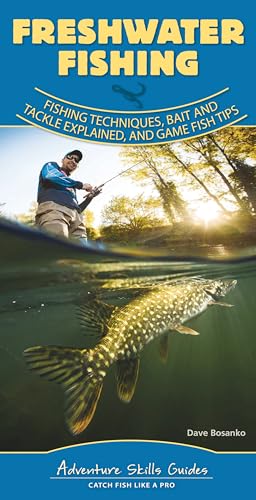
Choosing the right fish finder doesn’t have to be overwhelming. Focus on the features that matter most for your fishing style, set a budget, and you’ll be well on your way to more productive days on the water. For a comprehensive foundation, we recommend starting with Freshwater Fishing: Fishing Techniques to master the basics, and then consider Fish Finders — How to turn your fish finder into to unlock the full potential of your device. Both resources offer valuable insights that can transform your fishing experience.
Frequently Asked Questions
What is the best fish finder for a beginner?
For beginners, simplicity and reliability are key. Look for a fish finder with basic sonar and GPS, without too many advanced features that can be confusing. Many entry-level models from Garmin and Lowrance are excellent choices. Our garmin striker vivid 7sv review can give you insights into a popular mid-range option.
How does side imaging work on a fish finder?
Side imaging uses a transducer that emits sonar waves to both sides of your boat. It creates a detailed, photo-like image of the bottom and structure, allowing you to see fish and cover that are not directly under your boat. This technology is incredibly useful for covering more water quickly and finding productive spots.
Do I need GPS on my fish finder?
GPS is highly recommended, especially if you fish in large lakes or unfamiliar waters. It allows you to mark waypoints, navigate safely, and return to productive spots. Many fish finders now come with built-in GPS, so it’s a feature worth having.
Can I use a fish finder on a kayak?
Yes, absolutely. Many kayak anglers use fish finders. You can either mount a traditional unit with a transducer that fits your kayak’s hull, or opt for a castable fish finder that connects to your phone via Bluetooth. The latter is a great option for kayaks due to its portability and ease of use.


