

You are on the water, the wind picks up, and your boat starts drifting away from that perfect fishing spot. Without a GPS-equipped trolling motor, you spend precious time adjusting and repositioning. That is where a trolling motor with GPS changes everything. This guide covers the best trolling motor with GPS options for 2026, helping you stay anchored, follow precise paths, and fish more efficiently. Whether you fish freshwater lakes or saltwater bays, we have models for every need.
For anglers who want pinpoint accuracy, we also recommend checking our guide on top spot lock trolling motors.




Buying Guide
GPS Accuracy and Features
The core of a GPS trolling motor is its ability to hold position and follow routes. Look for multi-band GPS systems that offer sub-meter accuracy. Features like spot-lock, jog, and follow modes let you stay on structure or move your boat precisely. Some models integrate with chartplotters for advanced route creation.
For more on battery compatibility, read our guide on best marine battery for trolling motor type.
Thrust and Shaft Length
Thrust determines how well your motor moves your boat against wind and current. For smaller boats, 55 lbs of thrust is often enough. Larger vessels may need 70 to 112 lbs. Shaft length is equally important. A 54-inch shaft works for most bass boats, while high freeboard boats may require a 60-inch or longer shaft.
Durability and Materials
Saltwater environments demand corrosion-resistant components. Look for motors with aluminum housings, stainless steel fasteners, and powder-coated finishes. Freshwater models may have less protection, but still benefit from quality construction. A weedless propeller design also reduces tangles in heavy cover.
If you need a reliable 12-volt option, see our picks for best rated 12 volt bow mount trolling motor.
Control and Integration
Wireless remotes with LCD screens offer convenient control from anywhere on the boat. Some motors integrate with fish finders and chartplotters, allowing you to control steering and routes directly from your display. Consider how you prefer to operate the motor and whether you want hands-free features like auto-deploy.
For advanced sonar setups, check our review of best trolling motor for LiveScope.
Final Thoughts
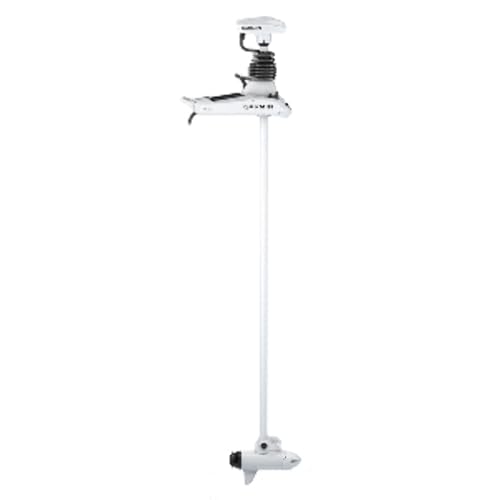
Choosing the best trolling motor with GPS depends on your boat size, fishing environment, and desired features. For most anglers, the Minn Kota Terrova Bow-Mount Electric Trolling delivers reliable spot-lock and efficient power management at a great value. If you need maximum power and the most precise GPS anchoring, the Garmin Force Pro Trolling Motor Black 50 offers exceptional performance and integration with Garmin chartplotters.
Frequently Asked Questions
How does GPS spot-lock work on a trolling motor?
Spot-lock uses GPS to maintain your boat’s position at a specific point. When you activate it, the motor automatically adjusts thrust and direction to counteract wind and current, keeping you anchored without a physical anchor.
What is the difference between a bow mount and transom mount trolling motor?
Bow mount motors are installed at the front of the boat, offering better maneuverability and control, especially with GPS features. Transom mount motors are mounted on the back and are simpler but less effective for precise positioning.
Do I need a special battery for a GPS trolling motor?
Most GPS trolling motors run on 12V, 24V, or 36V systems. You need a deep-cycle marine battery that matches the voltage requirement. For longer run times, consider a lithium battery, which is lighter and lasts longer than lead-acid.
Can I use a GPS trolling motor in saltwater?
Yes, but choose a model specifically designed for saltwater, like the Minn Kota Riptide PowerDrive Bow-Mount Electric. These motors have enhanced corrosion protection to withstand the harsh marine environment.


