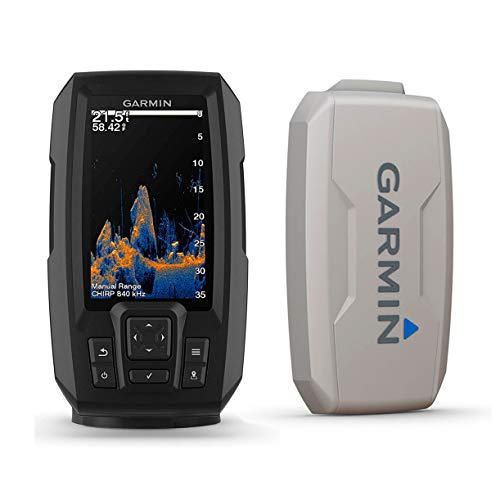

Picture this: you’re on the shore of a quiet lake, the sun is setting, and you know fish are lurking just beyond your cast. But without a fish finder, you’re fishing blind. That’s where a castable fish finder changes everything. In this guide, we dive deep into the world of castable sonar, focusing on the Garmin castable fish finder review and its top competitors, to help you choose the perfect device for your fishing style.
Whether you’re a kayak angler, a shore-based enthusiast, or an ice fisherman, we’ve evaluated the best options on the market. Our best castable fish finder guide offers additional insights, but here we focus on what matters most: real-world performance, ease of use, and value.


Buying Guide: What to Look for in a Castable Fish Finder
Sonar Technology and Depth Capability
The heart of any fish finder is its sonar. For castable models, you want a device that offers reliable depth readings and decent coverage. Most castable fish finders use a 90- to 125-degree beam angle, which provides a good balance between area coverage and detail. Depth range varies significantly: some models max out at 135 feet, while others reach 164 feet or more. Consider where you fish: deep lakes require a greater depth rating, while shallow rivers may not need as much.
Look for features like fish alarms, water temperature sensors, and bottom contour mapping. The best portable fish finder will offer these without overwhelming you with complexity. For ice fishing, a flasher mode is a game-changer, and some models like the Garmin Striker Cast include that option.
Wireless Range and Connectivity
Since you’re casting the sensor away from your device, wireless range is critical. Most castable fish finders use Bluetooth or Wi-Fi to transmit data. A typical range is 80 to 200 feet, but some high-end models offer up to 492 feet. If you’re fishing from a kayak or a boat, you can keep your phone or handheld unit nearby, but if you’re casting from shore, a longer range gives you more flexibility.
Also, consider the app compatibility. Many castable fish finders rely on a smartphone app to display sonar data. Ensure the app is compatible with your device (iOS/Android) and offers a user-friendly interface. Some apps provide additional features like GPS mapping, which can be invaluable for marking productive spots.
Battery Life and Charging
Nothing ruins a fishing trip faster than a dead battery. Most castable fish finders offer 8 to 10 hours of continuous use on a full charge, which is sufficient for a full day on the water. However, some budget models only last 4 to 5 hours, so check the specs. Look for USB-rechargeable batteries, which are convenient and cost-effective in the long run.
Some models, like the Garmin Striker Cast, have an auto-on/off feature that conserves battery when the sensor is out of water. This is a thoughtful touch that extends battery life significantly. For more insights, check our deeper pro plus 2 review to see how a popular model handles battery management.
Display and Readability
If you’re using a handheld unit with a built-in screen, display quality matters. Look for a clear LCD or TFT screen that is readable in bright sunlight. Some models offer adjustable backlighting and color modes (black, white, blue) to enhance visibility. If you’re using a smartphone app, the display quality depends on your phone’s screen, but the app’s interface should be intuitive and responsive.
For those who prefer a dedicated unit, the castable fish finders category page lists several options. But remember, a larger screen isn’t always better; portability is key for a castable device.
Final Thoughts
After reviewing the top castable fish finders, we recommend the Garmin Striker Cast, Castable Sonar for its excellent app integration, rugged design, and dual sonar modes, making it a versatile choice for both open water and ice fishing. For a budget-friendly alternative that doesn’t compromise on features, the Reelsonar Portable Fish Finder Accurate Fish Depth offers reliable performance with a user-friendly app and long battery life, perfect for anglers just starting with castable sonar.
Frequently Asked Questions
How does a castable fish finder work?
A castable fish finder consists of a wireless sonar sensor that you cast into the water. The sensor transmits sonar data via Bluetooth or Wi-Fi to a companion app on your smartphone or a handheld display unit. The app interprets the signals to show fish, depth, and bottom structure in real time.
Can I use a castable fish finder for ice fishing?
Yes, many castable fish finders are suitable for ice fishing. Look for models with a flasher mode, like the Garmin Striker Cast, which displays sonar data in a traditional flasher format ideal for vertical jigging. Ensure the sensor can operate in freezing temperatures and that the app offers an ice fishing mode.
What is the maximum depth range for castable fish finders?
Depth ranges vary by model. Budget models may offer 100 to 135 feet, while more advanced units can reach 164 feet or more. Check the specifications of each model to ensure it meets your fishing needs. For deeper waters, consider a model with a higher depth rating.
Are castable fish finders accurate?
Yes, modern castable fish finders are quite accurate. They use advanced sonar technology to detect fish and bottom contours. However, accuracy can be affected by water conditions, such as heavy vegetation or murky water. Adjusting the sensitivity settings can improve performance in these conditions.
For more tips on choosing the right castable fish finder, check our best Deeper sonar alternatives guide.