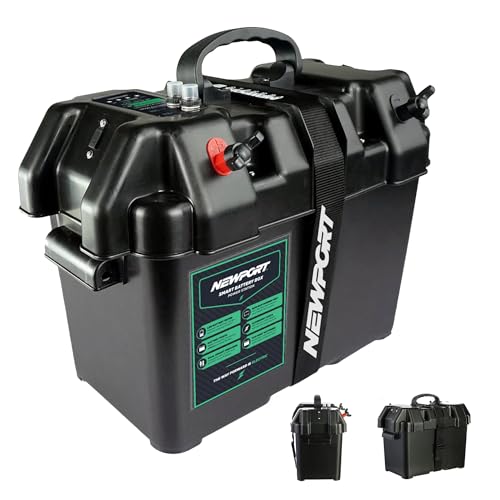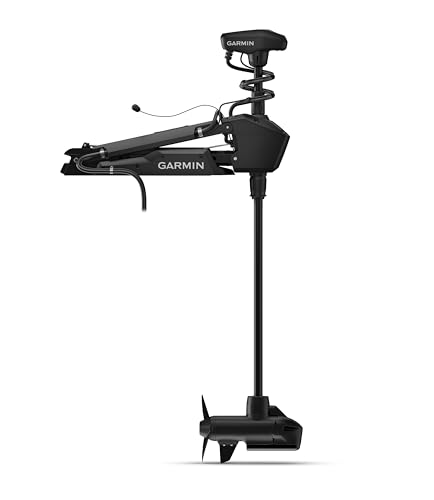

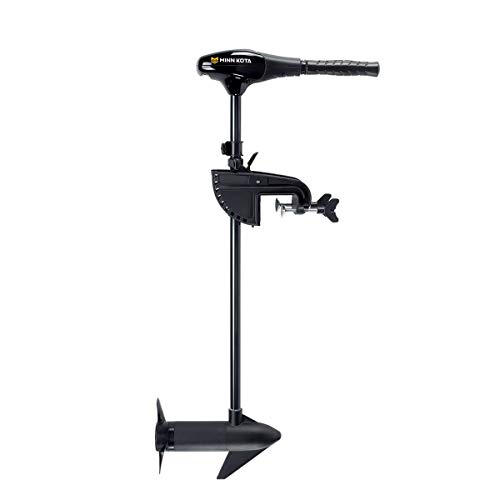
You are on a quiet freshwater lake, the sun is just rising, and you need to position your boat precisely over a submerged weed line without spooking the fish. Choosing the best trolling motor for freshwater is the difference between a frustrating day of drift and a productive outing. Whether you fish from a kayak, a small aluminum boat, or a fully riged bass boat, the right trolling motor gives you silent, precise control. This guide evaluates seven top models for 2026, covering everything from budget-friendly transom mounts to high-end GPS bow mounts.
For anglers with larger vessels, our guide on best trolling motor for large boats offers additional insights. Now, let’s dive into the top picks.



Buying Guide: What to Look for in a Freshwater Trolling Motor
Thrust and Boat Size
Thrust is the motor’s pulling power, measured in pounds. For kayaks and canoes, 30 to 36 pounds of thrust is sufficient. Small fishing boats up to 16 feet typically need 40 to 55 pounds. Larger bass boats or heavy fiberglass rigs require 80 pounds or more. Always err on the side of more thrust if you fish in wind or current.
For a deeper dive into battery requirements, see our guide on best deep cell battery for trolling motor.
Shaft Length and Mount Type
The shaft must be long enough to keep the propeller submerged in rough water. A 30-inch shaft works for flat-bottom boats and kayaks, while 36 to 45 inches are better for deep-V hulls. Bow mount motors offer superior control and are ideal for bass fishing, while transom mounts are simpler and more affordable for smaller boats.
If you are considering a transom mount, explore our transom trolling motors category for more options.
GPS and Spot-Lock Features
GPS technology, like Minn Kota’s Spot-Lock, holds your boat in a precise location without anchoring. This is a game-changer for fishing structure, drop-offs, or weed edges. Higher-end models also include jog, drift mode, and follow mode, which allow you to move your position in small increments or drift naturally while maintaining control.
For a comparison of top brands, read our minn kota vs MotorGuide article.
Durability and Construction
Freshwater motors need corrosion-resistant materials, especially if you occasionally fish in brackish water. Look for composite shafts that resist flexing and UV damage. Sealed electrical connections and waterproof components add longevity. Brands like Minn Kota and Newport Vessels build motors that withstand years of hard use.
Pair your motor with a reliable power source from our best boat battery for electric trolling motor guide.
Final Thoughts
After evaluating these seven models, the Minn Kota Ultrex Bow-Mount Electric Trolling Motor stands out as the premium choice for serious anglers who demand GPS precision, integrated sonar, and effortless stowage. For budget-conscious kayak or small boat fishermen, the Newport NV-Series 36lb Thrust Trolling Motor 12V offers reliable performance and a battery indicator at an accessible price point. Whichever you choose, you are investing in more time on the water and more fish in the boat.
Frequently Asked Questions
What size trolling motor do I need for my freshwater boat?
As a rule of thumb, use 2 pounds of thrust for every 100 pounds of boat weight. For kayaks and canoes, 30 to 36 pounds works well. For 16 to 18 foot fishing boats, 40 to 55 pounds is common. For larger bass boats, 80 pounds or more with 24V or 36V systems is recommended.
Is a bow mount or transom mount better for freshwater fishing?
Bow mount motors provide superior boat control, especially in wind, and are ideal for bass fishing and precise positioning. Transom mounts are simpler, lighter, and more affordable, making them a great choice for small boats, kayaks, and occasional use. Your choice depends on your fishing style and boat type.
Do I need GPS on my trolling motor?
GPS features like Spot-Lock are invaluable for holding position over structure, fishing in wind, or when you need both hands free. They are not essential for every angler, but if you fish frequently or target specific spots, GPS technology significantly improves your efficiency and catch rate.
How long do freshwater trolling motor batteries last?
Battery life depends on capacity, motor draw, and usage. A 50Ah lead-acid battery may run a 36-pound thrust motor for several hours at low speed, while a 100Ah lithium battery can last a full day. Using Digital Maximizer technology, as found in Minn Kota models, can extend runtime up to five times. For more details, check our best boat battery guide.