

You are out on the water, the fish are biting, and suddenly your trolling motor sputters to a stop. A dead battery can ruin the best day of fishing. For anglers who want reliable power without breaking the bank, finding the best budget lithium trolling motor battery is essential. In this guide, we have reviewed eight top contenders for 2026 to help you choose the right one for your needs. Whether you are powering a small kayak or a larger bass boat, these lithium options offer lightweight performance and long cycle life. For more insights, check out our guide on best trolling motor battery on a budget.


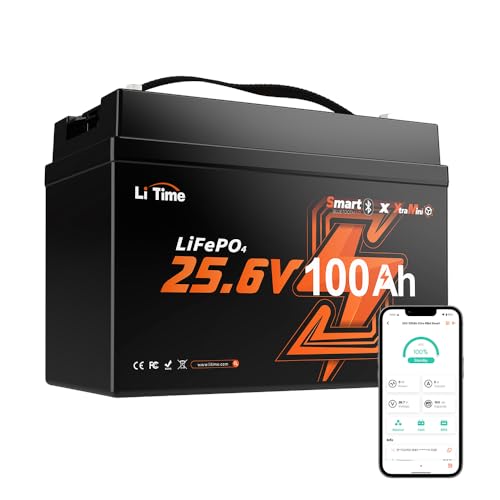

Buying Guide: What to Look for in a Budget Lithium Trolling Motor Battery
Capacity and Voltage
Capacity, measured in amp-hours (Ah), determines how long your battery will run. For most trolling motors, a 12V 100Ah battery offers a good balance of runtime and weight. Higher voltage systems, like 24V or 36V, are better for larger motors. Choose a capacity that matches your typical day on the water.
Voltage must match your trolling motor requirements. A 12V system works for most small to medium boats, while 24V or 36V setups provide more power for larger vessels. Always check your motor specifications before purchasing.
Weight and Size
Lithium batteries are significantly lighter than lead-acid alternatives, often weighing one-third as much. This reduces the overall weight of your boat, improving speed and handling. Look for compact designs that fit your battery tray without modifications.
Group size standards like Group 24 or Group 31 ensure a drop-in replacement. Measure your battery compartment and verify dimensions before buying. A lighter battery also makes installation and transport easier.
BMS and Safety Features
A quality Battery Management System (BMS) protects against overcharging, over-discharging, short circuits, and temperature extremes. Look for a BMS with at least 100A continuous rating for reliable performance. Low-temperature cut-off is crucial for cold weather use.
Some batteries offer Bluetooth monitoring, letting you check state of charge and health from your phone. This feature adds convenience and helps prevent unexpected failures. For more on safety, see our best lithium trolling motor battery guide.
Cycle Life and Warranty
Cycle life indicates how many charge-discharge cycles a battery can handle before its capacity drops. Lithium iron phosphate (LiFePO4) batteries often last 4000 to 15000 cycles, far exceeding lead-acid. A longer cycle life means lower cost per use over time.
Warranty length reflects manufacturer confidence. Look for at least a 5-year warranty for peace of mind. A good warranty protects your investment and ensures support if issues arise.
Final Thoughts
After evaluating these eight budget-friendly options, our top recommendation for most anglers is the BUKNUWO 12V 100Ah LiFePO4 Lithium Battery for its excellent Bluetooth monitoring and high cycle life at an affordable price. For those needing a reliable 36V solution for high-thrust motors, the 36 V 50 Ah Trolling Motor Lithium B offers great value and compact design. Both batteries deliver the lightweight, long-lasting performance that makes lithium the smart choice for budget-conscious anglers.
Frequently Asked Questions
What is the best budget lithium trolling motor battery for 2026?
The BUKNUWO 12V 100Ah LiFePO4 Lithium Battery stands out for its combination of Bluetooth monitoring, high cycle life, and low price. It offers excellent value for most anglers.
How long does a 100Ah lithium battery run a trolling motor?
Runtime depends on motor thrust and speed settings. On average, a 12V 100Ah battery can run a 55 lb thrust trolling motor at medium speed for 6 to 8 hours. Higher speeds reduce runtime.
Can I use a lithium battery in cold weather?
Yes, but choose a battery with low-temperature cut-off protection. This feature prevents charging below 32°F (0°C), which can damage cells. Discharge is usually safe down to -4°F (-20°C).
Are budget lithium batteries safe for marine use?
Yes, when they have a quality BMS and IP65 or better waterproof rating. Look for certifications like CE, RoHS, and UN38.3. Always follow the manufacturer’s installation guidelines for safety.


