
You are on the water, scanning for structure, but your fish finder shows only fuzzy blobs. You need a down imaging fish finder that reveals clear, detailed images of the bottom, fish, and cover. This guide reviews seven top models from Humminbird, Lowrance, and Minn Kota, helping you choose the best down imaging fish finder for your fishing style. Whether you fish lakes, rivers, or coastal waters, we cover features like screen size, sonar technology, and GPS mapping to ensure you get the right tool for 2026. For more on ice fishing setups, check our best ice fishing fish finder.



Buying Guide: How to Choose the Best Down Imaging Fish Finder
Screen Size and Resolution
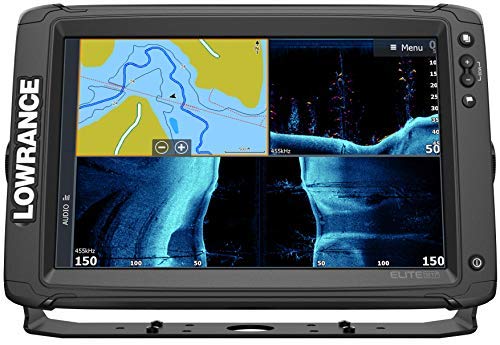
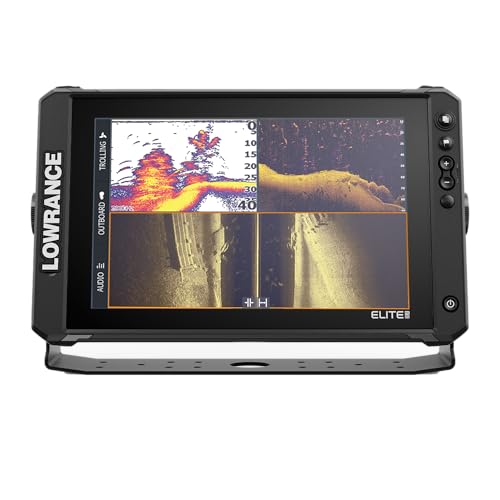
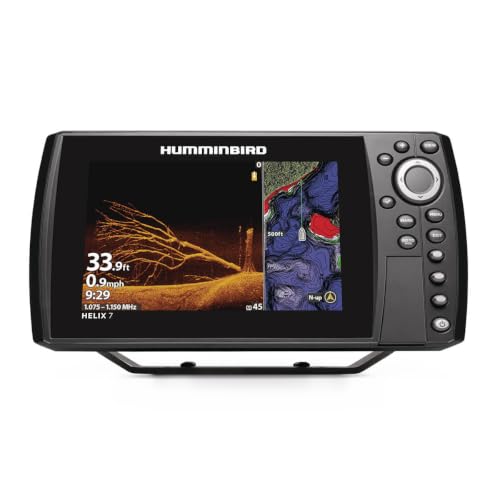
A larger, high-resolution screen makes it easier to see fish arches, structure, and bottom contours. For down imaging, a 9-inch or 10-inch display with 1280 x 720 resolution provides crisp detail, while smaller 7-inch screens are more portable and budget-friendly. Touchscreen models offer intuitive control, but keypad-only units are reliable in wet conditions. For a deeper dive, read our lowrance elite 7 HDI review.
Sonar Technology and Imaging Range
Down imaging fish finders use high-frequency beams to create detailed pictures of the water column and bottom. Look for MEGA Down Imaging+ or Active Imaging 3-in-1 for the best clarity, with ranges up to 200 feet. Dual Spectrum CHIRP adds versatility with wide and narrow modes for different fishing scenarios. For side imaging comparisons, see our lowrance vs garmin LiveScope.
GPS and Mapping Features
Built-in GPS with detailed lake maps helps you navigate and mark productive spots. AutoChart Live creates custom depth contours and bottom hardness maps in real time, a game-changer for serious anglers. Preloaded charts like Humminbird Basemap or C-MAP US Inland cover thousands of lakes, saving you time on the water. For more on GPS fish finders, explore our garmin EchoMap ultra 106sv review.
Connectivity and Integration
Modern fish finders offer Ethernet, Bluetooth, and NMEA 2000 networking to share sonar, maps, and waypoints between units. Integration with trolling motors and autopilots from Minn Kota or Cannon simplifies boat control. Wireless networking lets you link multiple displays without cables, ideal for larger boats. For side imaging options, check our side imaging fish finders category.
Final Thoughts
After evaluating these seven models, the Humminbird XPLORE 9 GPS Fish Finder stands out for its premium MEGA Side Imaging+ and HD touchscreen, ideal for anglers who want top-tier detail and mapping. For a larger display and live sonar readiness, the Lowrance Elite FS 12 Fish Finder with Active offers a 12-inch multi-touchscreen and compatibility with ActiveTarget 2, perfect for those who demand the latest technology. Both provide excellent down imaging and GPS features to elevate your fishing experience in 2026.
Frequently Asked Questions
What is the best down imaging fish finder for the money?
The Humminbird Helix 7 G4 GPS Fish Finder offers MEGA Side & Down Imaging and Dual Spectrum CHIRP at a competitive price, making it a great value for 2026. It provides clear images and reliable GPS without breaking the bank.
How does down imaging differ from side imaging?
Down imaging sends sonar beams directly beneath the boat to create detailed views of the bottom and structure, while side imaging scans to the left and right for a wider area. Both are valuable, but down imaging excels for precise bottom detail and fish near the bottom.
Can I use a down imaging fish finder for ice fishing?
Yes, many down imaging fish finders work for ice fishing when used with a portable ice transducer kit. Models like the Humminbird XPLORE series are versatile for both open water and ice. For more, see our best ice fishing fish finder.
What size screen do I need for down imaging?
For the best detail, a 9-inch or larger screen is recommended, as it shows more information and finer details. A 7-inch screen is adequate for smaller boats or budget-conscious anglers, but you may miss some detail in deeper water.