
When you’re fishing deep structure or chasing pelagics in open water, standard sonar often leaves you guessing. The Garmin LiveScope XR LVS62 changes that by delivering real-time, high-clarity imagery out to 500 feet in freshwater, letting you see fish and structure as they happen. In this Garmin LiveScope XR LVS62 review, we’ll break down the best bundles, key features, and buying considerations for 2026.
Whether you’re a serious tournament angler or a weekend warrior looking to up your game, this guide covers the top LiveScope XR options and helps you decide which setup fits your needs. We’ll also compare it to other Garmin LiveScope systems and point you to additional resources for optimizing your sonar.



Buying Guide: What to Look For in a LiveScope XR System
Choosing the right LiveScope XR setup involves more than just picking a transducer. Here are the key factors we evaluated when reviewing these products.
Range and Clarity
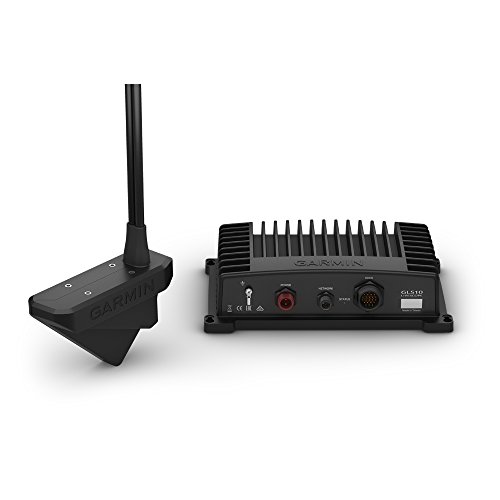
The LVS62 transducer offers an extended range up to 500 feet in freshwater and 350 feet in saltwater, making it ideal for deep water and open ocean. Look for systems that include the GLS 10 black box for maximum performance and compatibility.
Clarity is equally important. The LiveScope XR provides vivid color palettes and reduced noise, so you can distinguish between baitfish and gamefish even at extreme depths. For more on optimizing your sonar, check out our guide on best Garmin LiveScope settings.
Compatibility with Chartplotters
LiveScope XR systems require a compatible Garmin chartplotter, such as the ECHOMAP Ultra 2 or UHD2 series. Check that your unit supports the GLS 10 black box and has the necessary network ports.
Some bundles include the chartplotter, while others are transducer-only upgrades. If you already own a compatible unit, you can save by purchasing the transducer separately.
Mounting and Installation
The included mounts matter for versatility. Look for kits that come with a trolling motor barrel mount, shaft mount, and perspective mount, so you can position the transducer for forward, down, or perspective views.
Installation should be straightforward, but if you’re new to LiveScope, consider a bundle that includes all necessary cables and adapters. For more on forward-facing sonar options, see our best forward facing sonar roundup.
Final Thoughts
After evaluating the top LiveScope XR systems, we recommend the Garmin LiveScope XR System Bundle with GLS 10 for anglers who want the complete package with the LVS62 transducer and all necessary mounts. For those who already have a compatible chartplotter and just need the transducer, the Garmin Livescope XR LVS62 Transducer for Coastal is a solid choice, offering the same extended range and clarity in a standalone unit. Both options deliver the real-time, high-definition sonar that makes a significant difference in open-water fishing.
Frequently Asked Questions
What is the difference between LiveScope XR and LiveScope Plus?
The LiveScope XR LVS62 transducer offers a much longer range (up to 500 feet in freshwater) compared to the LiveScope Plus (up to 200 feet). It also provides improved clarity and reduced noise, making it better suited for deep water and open ocean fishing.
Can I use the LVS62 transducer with my existing Garmin chartplotter?
Yes, the LVS62 connects to the GLS 10 sonar black box, which then links to compatible Garmin chartplotters like the ECHOMAP Ultra 2 or UHD2 series. Check your unit’s specifications to ensure compatibility.
Is the LiveScope XR worth the extra cost?
If you frequently fish in water deeper than 200 feet or need to see fish at extreme distances, the LiveScope XR’s extended range is a game-changer. For shallow water or ice fishing, the LiveScope Plus may be sufficient and more budget-friendly. For ice fishing bundles, see our best Garmin LiveScope ice fishing bundle guide.
Does the LiveScope XR work in saltwater?
Yes, the LVS62 is designed for coastal and open-water fishing, with a range of up to 350 feet in saltwater. The transducer is built to withstand harsh marine environments.

