
You’re on the water, the fish are biting, and suddenly your trolling motor sputters to a stop. A dead battery can ruin an otherwise perfect day, which is why choosing the right power source is just as important as the motor itself. This guide covers the best boat battery for electric trolling motor setups, from budget-friendly AGM options to high-capacity lithium powerhouses. Whether you’re paddling a kayak or running a bass boat, we’ll help you find the battery that keeps you moving.





Buying Guide: What to Look For in a Trolling Motor Battery
Battery Type: AGM vs. Lithium vs. Lead-Acid
The three main battery chemistries for trolling motors are AGM (absorbent glass mat), lithium (LiFePO4), and traditional flooded lead-acid. AGM batteries like the Newport 12V 50Ah Deep Cycle AGM Marine Battery offer a sealed, maintenance-free design that resists vibration and spills. They’re a solid mid-range choice for anglers who want dependable power without the premium cost of lithium.
Lithium batteries, such as the LiTime 36V 100Ah Lithium Battery, weigh significantly less and provide more usable capacity over their lifespan. They can handle deep discharges without damage and charge faster, but they come with a higher upfront investment. For most recreational boaters, AGM offers the best balance of price and performance, but if you plan to fish all day, lithium’s weight savings are hard to beat.
Capacity (Ah) and Runtime
Battery capacity is measured in amp-hours (Ah), which directly affects how long your motor runs. A 50Ah battery, like the Newport 12V 50Ah, is ideal for small boats and kayaks with lower thrust motors. For larger setups or longer trips, a 100Ah battery provides roughly double the runtime, letting you troll for hours without worrying about recharging.
Consider your motor’s amp draw: a 55lb thrust motor can draw up to 52 amps at full speed, so a 50Ah battery would last under an hour at that pace. At trolling speeds, though, you’ll get much more run time. Always err on the side of higher capacity if you plan to fish in windy conditions or strong currents, which force the motor to work harder.
Voltage Compatibility
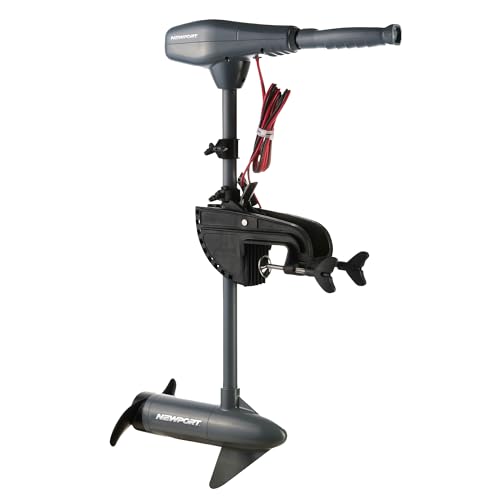
Most trolling motors run on 12V, but some high-thrust models require 24V or even 36V systems. Check your motor’s voltage requirement before buying a battery. For example, the Newport NV-Series 55lb Thrust Saltwater Transom operates on 12V and works with a single 12V battery, while a 36V motor like the LiTime setup needs three 12V batteries wired in series or a dedicated 36V pack.
Mismatching voltage can damage your motor or lead to poor performance. Always confirm your motor’s voltage and choose a battery that matches. For dual-battery setups, ensure both batteries are the same age and type to avoid imbalanced charging.
Weight and Portability
If you’re fishing from a kayak or small boat, weight matters. A standard lead-acid battery can weigh 30-50 pounds, which is heavy to haul from your vehicle to the shore. Lithium batteries like the 12V 100Ah LiFePO4 Battery weigh around 21.6 pounds for the same capacity, making them a favorite among kayak anglers who value portability.
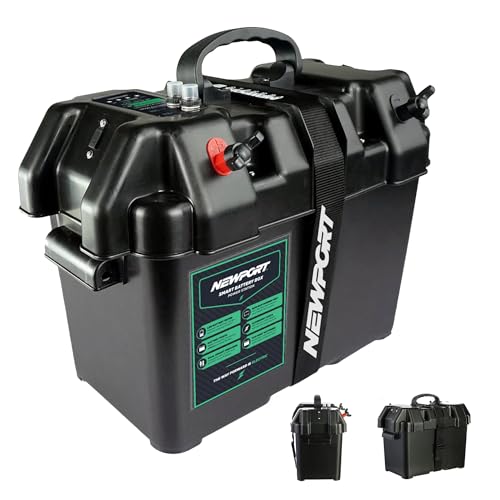
Lighter batteries also improve your boat’s balance and performance. If you’re using a transom-mounted motor, a heavy battery can sit awkwardly, affecting handling. For the best of both worlds, consider a lithium battery with a battery box like the Newport Trolling Motor Smart Battery Box Power, which adds USB ports and a battery meter for convenience.
For more detailed guidance on matching batteries to your motor, check our best battery for electric trolling motor guide and our deep cycle marine battery roundup.
Final Thoughts
Choosing the best boat battery for electric trolling motor setups comes down to your specific needs: for a lightweight, high-performance option that lasts for years, the 12V 100Ah LiFePO4 Battery is an outstanding choice, while the Newport 12V 50Ah Deep Cycle AGM Marine Battery offers reliable, budget-friendly power for small craft. Both will keep your motor running smoothly, so you can focus on the catch.
Frequently Asked Questions
What size battery do I need for a 55lb thrust trolling motor?
For a 55lb thrust motor, a 12V battery with at least 50Ah is recommended, but 100Ah is better for all-day use. The higher the amp-hour rating, the longer you can troll before recharging.
Can I use a regular car battery for my trolling motor?
No, car batteries are designed for short bursts of high current, not sustained discharge. Deep cycle batteries, like AGM or lithium, are built to provide steady power over long periods, making them essential for trolling motors.
How long will a 100Ah battery run a trolling motor?
Runtime depends on the motor’s amp draw. At an average trolling speed drawing 20 amps, a 100Ah battery would last about 5 hours. At full speed with a 52-amp draw, expect closer to 2 hours. In 2026, lithium batteries with higher efficiency can extend this further.
Are lithium batteries worth the extra cost for trolling?
Yes, if you fish frequently. Lithium batteries weigh less, last thousands of cycles, and maintain voltage better under load. For kayak anglers, the weight savings alone can justify the price. Check our kayak trolling motor guide for more tips.