
You’ve finally cleared your schedule for a day on the water. You paddle out, find the perfect spot, and then it hits you: your kayak feels cramped, wobbles with every move, and your back is already aching. For larger anglers, a standard kayak can turn a relaxing trip into a frustrating struggle. This guide is dedicated to finding you a fishing kayak that offers the space, stability, and comfort you need to fish with confidence. We’ve evaluated top models from trusted brands like Old Town, Pelican, and VEVOR to help you make an informed choice.




Buying Guide: What to Look For in a Fishing Kayak for Large Men
Weight Capacity and Stability
The most critical factor for a larger angler is the kayak’s maximum weight capacity. This number includes your body weight plus all your gear: rods, tackle, cooler, and anything else you bring. A kayak that’s rated too low will sit low in the water, feel tippy, and paddle poorly. Look for a capacity that gives you a comfortable buffer, ideally 100 pounds or more above your total load.
Stability goes hand in hand with capacity. A wider hull and a flat bottom design provide a more stable platform, which is essential for standing up to cast or fight a fish. Models like the best fishing kayaks for standing often feature these stable designs. Pay close attention to the kayak’s width and hull shape when comparing options.
Seat Comfort and Ergonomics
You’ll be sitting for hours, so a supportive, adjustable seat is non-negotiable. Look for a seat with thick padding, breathable mesh, and multiple adjustment positions. An elevated seat not only improves comfort but also gives you a better view of the water and makes paddling more efficient. For anglers with back issues, a high-back seat with lumbar support can make all the difference.
Some kayaks, like the best fishing kayaks for seniors, prioritize ergonomic seating systems that reduce fatigue. These designs often feature adjustable footrests and leg positioning, which are just as important for large men who need extra legroom. Always check the seat dimensions and adjustability before making a purchase.
Propulsion Options: Pedal vs. Paddle vs. Motor
Your propulsion choice significantly impacts your fishing experience. Paddle-only kayaks are the most affordable and lightweight, but they require more physical effort. Pedal drive kayaks, like the top pedal drive kayaks, free up your hands for fishing, which is a game-changer. They also allow you to cover more water with less fatigue.
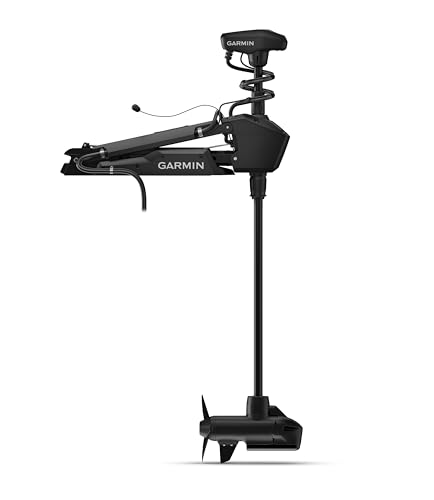
For maximum power and effortless cruising, a trolling motor, such as the VEVOR Electric Trolling Motor, can be added to many kayaks. This option is ideal for larger anglers who want to focus on fishing rather than paddling, especially in windy or current-heavy conditions. Consider your typical fishing environment and physical stamina when choosing.
Storage and Rigging Options
Large anglers often carry more gear, so ample storage is a must. Look for kayaks with multiple hatches, gear tracks, and rod holders. A large rear tank well is perfect for a crate or a cooler. Also, consider the kayak’s rigging potential: are there pre-installed mounts for accessories like fish finders or anchor systems? A well-rigged kayak keeps everything organized and within reach.
For those planning to fish in saltwater, check out the best kayak for ocean fishing to see which models handle corrosion and rougher conditions. Storage features are also a key consideration in these reviews.
Final Thoughts
Choosing the right fishing kayak as a larger angler is about finding a balance between capacity, comfort, and performance. The Old Town Sportsman PDL 120 Pedal Fishing Kayak offers exceptional stability and a high weight capacity, making it a fantastic choice for those who want a premium pedal-driven experience. If you prefer a more budget-friendly option without sacrificing quality, the Pelican Catch Classic 120 provides a spacious and stable platform that won’t let you down. Both are excellent choices, so consider your specific needs and get ready for more comfortable, productive days on the water.
Frequently Asked Questions
What is the ideal weight capacity for a fishing kayak for a large man?
As a general rule, look for a kayak with a weight capacity that is at least 100 pounds more than your body weight plus all your gear. This buffer ensures the kayak sits properly in the water and maintains its stability. For a 250-pound angler with 50 pounds of gear, a kayak rated for 400 pounds or more is a safe bet.
Are pedal kayaks better for larger anglers?
Pedal kayaks are often preferred by larger anglers because they allow for hands-free fishing and reduce the physical strain of paddling. They also tend to be more stable, as they are typically wider. However, they are heavier and more expensive. If you value efficiency and comfort, a pedal drive is a worthwhile investment.
Can I add a motor to a fishing kayak?
Yes, many fishing kayaks can be fitted with a trolling motor, either on the transom or via a bow mount. Motors provide effortless propulsion, which is a huge advantage in windy conditions or when you need to cover long distances. Be sure to check your local regulations regarding motorized kayaks, as some areas require permits or have restrictions.
What is the most stable type of fishing kayak?
Pontoons and catamaran-style kayaks are generally the most stable, but they can be slower and harder to paddle. In the fishing kayak world, a wide, flat-bottomed hull with a high weight capacity offers excellent stability. Many of the top-rated kayak accessories can also enhance stability, such as outriggers.