

You’re standing on the bank, scanning the water for the next bass blow-up. The reel in your hand can make or break that moment. Choosing between Shimano and Daiwa baitcasters is a classic debate among anglers, and for good reason. Both brands offer exceptional engineering, but they cater to slightly different preferences and techniques. This guide breaks down six top models from each brand, covering everything from casting technology to build quality, so you can make an informed decision for 2026.
Whether you’re a tournament angler or a weekend warrior, we’ve evaluated these reels based on real-world performance and verified features. For more context on the broader reel landscape, check out our comparison of shimano vs daiwa spinning reels.




Buying Guide
Braking System: Digital vs. Magnetic vs. Friction Control
The braking system is the heart of any baitcaster. Shimano’s Digital Control (DC) technology uses a microprocessor to adjust braking in real time, virtually eliminating backlashes even for beginners. This is a standout feature on models like the Shimano CURADO DC series.
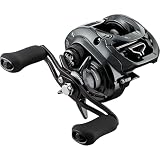
Daiwa, on the other hand, relies on its renowned Magforce magnetic braking system, which is highly responsive and user-adjustable. The Daiwa Tatula SV TW uses a V-spool design paired with magnetic braking for exceptional cast control with lighter lures. Your choice depends on whether you prefer automated precision or hands-on adjustment.
Gear Ratio and Retrieve Speed
Gear ratio determines how fast you can retrieve your lure. High-speed models like the TATULA Elite BAITCASTING Reel – Hyper Speed are ideal for burning baits across the surface or covering water quickly. Lower ratios offer more torque for cranking deep-diving lures or pulling fish from cover.
Consider your primary techniques. If you fish with topwater or swimbaits, a high-speed reel is a game-changer. For jigging or deep cranking, a slower, more powerful ratio is better. For more on selecting the right reel for bass, read our guide to top baitcasting reels for bass fishing.
Spool Design and Line Capacity
Spool design affects casting distance and line management. The Daiwa Tatula SV TW features a shallow V-spool that reduces spool inertia, allowing for longer casts with lighter lures. The Shimano CURADO DC 150A offers a 150-yard capacity, which is versatile for most freshwater applications.
If you fish with braid or need to cast small finesse baits, a shallow spool is a major advantage. For heavier lines or larger lures, a standard or wide spool provides better capacity and control.
Build Quality and Materials
Both brands use high-quality materials, but there are differences. Shimano reels often feature a cold-forged aluminum frame and a S3D spool for rigidity and smoothness. The Daiwa Tatula Elite series uses a sturdy aluminum body with a Magsealed bearing system to keep out dirt and moisture.
For saltwater or heavy use, look for models with corrosion-resistant components. The Shimano CURADO DC series and Daiwa Tatula Elite are both built to last, but the Elite’s sealing gives it an edge in harsh conditions.
Final Thoughts
After evaluating these six reels, your choice ultimately comes down to your preferred fishing style and budget. For anglers who want cutting-edge technology and foolproof casting, the Shimano CURADO DC 200 Low Profile Reels is a top-tier pick with its digital braking system. If you prioritize a lightweight, finesse-oriented reel with exceptional control, the Daiwa Tatula SV TW 150 Baitcasting Reel offers incredible value and performance for lighter lures. Both are outstanding choices that will elevate your fishing game in 2026.
Frequently Asked Questions
Which is better for beginners, Shimano or Daiwa?
For beginners, the Shimano CURADO DC series is often easier to use because its digital braking system reduces backlashes dramatically. Daiwa’s magnetic braking is also user-friendly, but the DC technology provides a more forgiving learning curve.
What is the difference between Shimano DC and Daiwa Magforce braking?
Shimano DC uses a microprocessor to automatically adjust braking during the cast, while Daiwa Magforce uses a magnetic field that you can adjust manually. DC is more automated, while Magforce offers more hands-on control for experienced anglers.
Can I use these reels for saltwater fishing?
Yes, but with caution. The Daiwa Tatula Elite series has Magsealed bearings that offer better protection against saltwater. The Shimano CURADO DC reels are primarily designed for freshwater, but they can be used in saltwater if rinsed thoroughly after each use. For dedicated saltwater gear, see our picks for best baitcasting reels for bass fishing.
How do I choose between a 100-size and 150-size reel?
The size number (100, 150, 200) refers to line capacity, with larger numbers holding more line. A 100-size reel (like the Daiwa Tatula SV TW 100XH) is lighter and better for finesse fishing, while a 150 or 200 size offers more capacity for heavier lines and larger lures.


