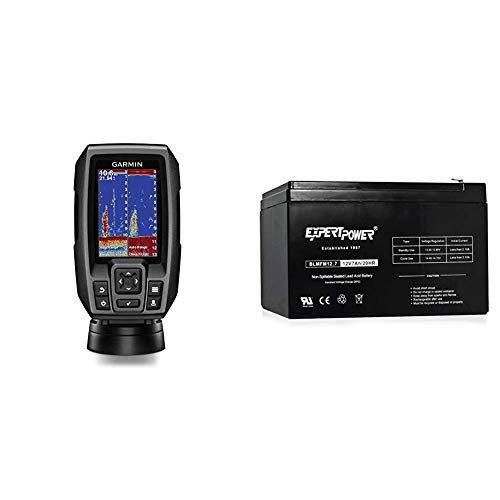

You’re on the water, the sun is rising, and you know fish are below, but you’re guessing where. A fish finder GPS combo changes everything. It shows you structure, marks your spots, and helps you navigate unfamiliar lakes with confidence. But with so many options, how do you pick the best fish finder GPS combo for the money? This guide breaks down top picks for different budgets and fishing styles, from kayak anglers to serious tournament competitors. We’ve evaluated features, performance, and value to help you make a smart choice.
Whether you’re a weekend warrior or a seasoned pro, the right combo can transform your fishing. We’ll cover key features like sonar technology, screen quality, and mapping capabilities, so you can find the perfect balance of price and performance. Let’s dive in.



Buying Guide: What to Look For in a Fish Finder GPS Combo
Choosing the best fish finder GPS combo for the money isn’t just about picking the most expensive model. It’s about matching features to your fishing needs. Here are the key criteria we used to evaluate these units.
Sonar Technology and Coverage
Sonar is the heart of any fish finder. CHIRP sonar offers better target separation and clarity than traditional sonar. Down Imaging and Side Imaging give you photo-like views of structure. For most anglers, a combo with CHIRP and Down Imaging is a solid choice. If you fish large lakes or rivers, Side Imaging can be a game-changer, letting you see fish-holding structure to the sides of your boat. Consider the coverage area and depth capabilities to match your typical fishing environment.
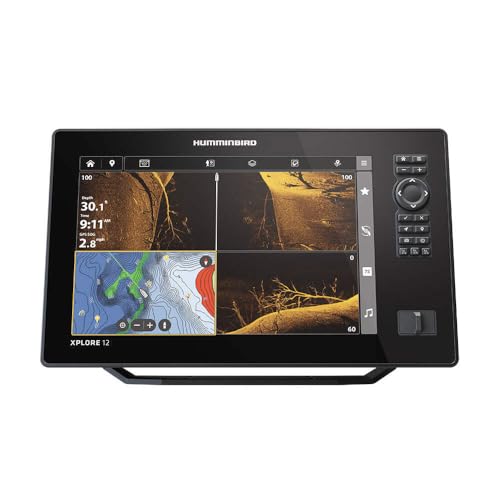
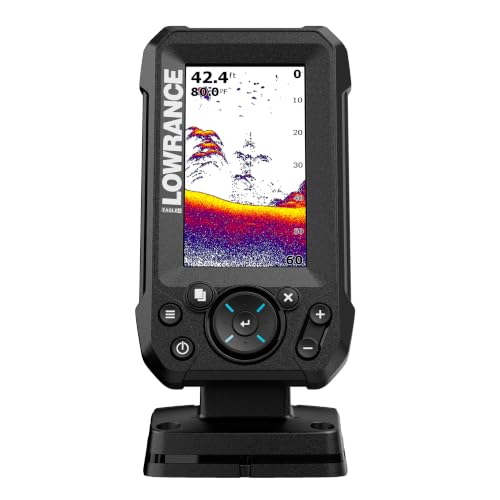
For example, the Humminbird XPLORE series with MEGA Side Imaging+ provides a 200-foot range on each side, ideal for covering water efficiently. On the other hand, a budget unit like the Lowrance HOOK Reveal 5 offers SplitShot, which combines CHIRP and DownScan for excellent detail without breaking the bank. Think about where you fish most often and choose accordingly.
Display Quality and Size
A clear, bright screen is essential, especially in direct sunlight. Look for displays with high resolution and good viewing angles. Screen size matters too: larger screens are easier to read but take up more space and cost more. A 5-inch screen is great for small boats and kayaks, while 9 to 12-inch screens are better for larger consoles. Touchscreen interfaces offer convenience, but keypads are reliable in wet conditions. Consider your boat’s layout and personal preference.
For instance, the Humminbird XPLORE 9 features a 1280×720 HD touchscreen, making it easy to see details. On a budget, the Lowrance HOOK Reveal 5’s SolarMAX display is known for excellent sunlight readability. Don’t underestimate the importance of a good screen; it’s what you’ll be staring at all day.
GPS and Mapping Features
The GPS functionality is what turns a fish finder into a navigation tool. Look for built-in mapping with lake contours and the ability to create custom maps. Real-time mapping features like AutoChart Live are incredibly useful for discovering new fishing spots. Preloaded maps of thousands of lakes are a plus. If you fish in specific regions, ensure the map coverage includes your area. For more insights on choosing the right unit, check out our guide on the best GPS fish finder for the money.
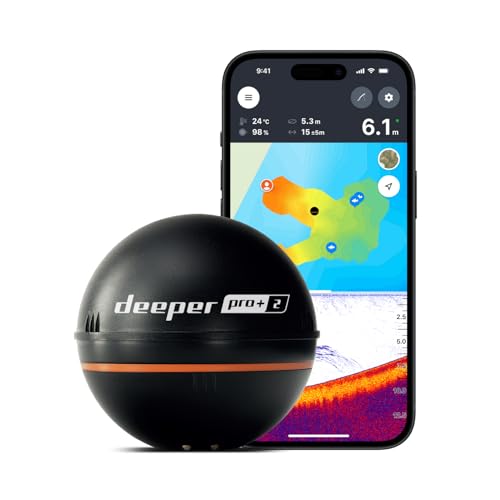
Humminbird’s Basemap covers over 10,000 lakes, and the XPLORE series even includes LakeMaster and CoastMaster VX cards. Lowrance offers C-MAP US Inland mapping with Genesis Live for custom contours. Deeper’s PRO+ 2 uses built-in GPS to create bathymetric maps from the shore. Consider what mapping capabilities you need for your fishing adventures.
Connectivity and Integration
Modern fish finders can do more than just show sonar. Bluetooth and Wi-Fi connectivity allow you to share waypoints and receive software updates. NMEA 2000 networking lets you integrate with other onboard electronics, like trolling motors and engine data. If you have a Minn Kota trolling motor, look for units that integrate seamlessly, like the Humminbird XPLORE series. If you’re a kayak angler, portability and wireless options like the Deeper PRO+ 2 might be more important.
Think about how you plan to use the unit. Do you need to connect to your phone for mapping? Do you want to link it to your trolling motor for auto-pilot? These features can significantly enhance your fishing experience, but they also add to the cost. For budget-friendly options, see our list of the best fish finder GPS combos under $500.
Final Thoughts
After evaluating all these units, our top picks for the best fish finder GPS combo for the money are the Humminbird XPLORE 9 GPS Fish Finder for anglers who want premium sonar and mapping features, and the Lowrance HOOK Reveal 5 SplitShot for those seeking a budget-friendly option that doesn’t compromise on performance. The XPLORE 9 offers MEGA Side Imaging, a crisp HD touchscreen, and comprehensive mapping, making it a fantastic investment for serious fishermen. The HOOK Reveal 5 provides excellent CHIRP sonar and DownScan Imaging at a fraction of the cost, perfect for casual anglers or those new to fish finders. Whichever you choose, you’ll be well-equipped to find more fish.
Frequently Asked Questions
What is the best fish finder GPS combo for the money in 2026?
For 2026, the Humminbird XPLORE 9 and the Lowrance HOOK Reveal 5 stand out as top value picks. The XPLORE 9 offers premium features like MEGA Side Imaging and a large HD touchscreen, while the HOOK Reveal 5 provides excellent sonar performance at an entry-level price. Your choice depends on your budget and fishing style.
Do I need Side Imaging on a fish finder GPS combo?
Side Imaging is not essential, but it can be a huge advantage if you fish large bodies of water or want to locate structure away from your boat. It gives you a wide view of the bottom and water column, helping you cover more water efficiently. If you fish mostly from a kayak or small boat, Down Imaging and CHIRP sonar may be sufficient.
Can I use a fish finder GPS combo for ice fishing?
Yes, many fish finder GPS combos are versatile enough for ice fishing. Look for units with a flasher mode or that are compatible with ice transducer kits. The Deeper PRO+ 2 is a castable sonar that works great for ice fishing, as it connects to your phone via Wi-Fi. For more options, you might want to read our article on the best fish finder chartplotter combos.
How important is screen resolution on a fish finder?
Screen resolution is very important for clarity. A higher resolution screen will show finer details, like fish arches and structure, more clearly. It also helps in bright sunlight and at wide viewing angles. The Humminbird XPLORE series features 1280×720 HD displays, while the Lowrance HOOK Reveal 5 has a SolarMAX display that is highly readable in sunlight. Always prioritize screen quality for a better fishing experience.