

You have been battling a powerful striped bass for ten minutes. Your arms burn, the line sings, and you feel that familiar knot in your stomach as the fish makes another run toward the rocks. In that moment, your reel is everything. A smooth, reliable drag and a solid gear train can mean the difference between a trophy photo and a story about the one that got away. If you target saltwater species or freshwater giants, finding the best Daiwa spinning reels for 2026 is a smart investment. This guide covers six top-tier models from the renowned Saltiga and Saltist MQ series, each engineered to handle extreme conditions. We have evaluated these reels based on real-world performance, durability, and value, so you can fish with confidence. For more expert picks, check out our guide to the top saltwater spinning reels.


Buying Guide
Drag System Performance
A reel’s drag system is its backbone. When a big fish surges, you need smooth, consistent pressure that won’t stick or fade. Daiwa’s Saltiga series uses a carbon fiber drag that delivers incredible stopping power and heat dissipation. The Saltist MQ features a similar design with a sealed drag mechanism, ideal for saltwater anglers who frequently battle powerful fish. Look for a drag rating that matches your target species. For inshore fishing, a reel with 20 to 30 pounds of drag is often sufficient, while offshore giants may require 40 pounds or more.
Build Materials and Corrosion Resistance
Saltwater is unforgiving. A reel that feels smooth on day one can become gritty and stiff after a few trips if not properly protected. Daiwa uses aluminum alloy bodies and rotors across the Saltiga and Saltist MQ lines. The Magsealed bearing system in these reels prevents salt and moisture from entering critical areas, extending the reel’s lifespan. If you fish in harsh environments, prioritize models with sealed bearings and a one-piece aluminum frame. The best bass fishing rods pair well with these reels for freshwater applications.
Gear Ratio and Retrieve Speed
Gear ratio determines how quickly you can retrieve line per crank. A high-speed model (like a 6.2:1 ratio) is excellent for working topwater lures or covering water fast. A lower ratio (like 4.9:1) provides more cranking power for deep-diving plugs or heavy jigs. The Daiwa Saltiga series offers both standard and high-speed (H and XH) versions, letting you match the retrieve to your technique. Consider what lures you use most and choose accordingly.
Line Capacity and Weight
Line capacity matters for long runs and deep water. A 4000-size reel typically holds 200 yards of 20-pound braid, while a 6000-size can hold 300 yards or more. Weight also influences comfort during long days on the water. Modern Daiwa reels use lightweight alloys to reduce fatigue without sacrificing strength. If you plan to cast all day, a lighter reel (around 10 ounces) is easier on your wrist. For heavy-duty trolling or jigging, a heavier reel (14 ounces or more) provides better balance with a stout rod.
Final Thoughts
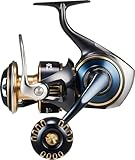
Choosing the best Daiwa spinning reel depends on your fishing style and budget. For anglers who demand uncompromising performance in extreme saltwater conditions, the Daiwa Saltiga Spinning Reel offers flagship-level drag and durability. If you prefer a more affordable option that still delivers excellent sealing and smoothness, the SALTIST MQ Spinning Series – Saltwater Reel is a fantastic choice. Both reels will serve you well for years, whether you are chasing tuna offshore or redfish in the marsh.
Frequently Asked Questions
What is the difference between the Daiwa Saltiga and Saltist MQ reels?
The Saltiga is Daiwa’s premium saltwater spinning reel, featuring a one-piece aluminum body, Magsealed bearings, and a carbon fiber drag system. The Saltist MQ is a more affordable alternative that still offers excellent corrosion resistance and a sealed drag. The Saltiga is lighter and more refined, while the Saltist MQ provides great value for the price.
How do I choose the right size Daiwa spinning reel?
Size is based on line capacity and intended use. A 4000-size reel is versatile for inshore fishing, handling lines from 15 to 30 pounds. A 6000-size is better for larger fish like tuna or striped bass. Consider the weight of your rod and the species you target. For a balanced setup, match the reel size to your rod’s power rating.
Are Daiwa spinning reels good for freshwater fishing?
Yes, many Daiwa reels work well in freshwater, especially for large bass, pike, or muskie. The Saltiga and Saltist MQ series are designed for saltwater but perform excellently in fresh water. For dedicated freshwater use, consider the Daiwa BG or Fuego series for a lighter option.
How often should I service my Daiwa spinning reel?
For saltwater use, rinse your reel with fresh water after each trip and perform a full service annually. Freshwater anglers can extend service intervals to every two years. Regular maintenance ensures smooth operation and prevents corrosion. Daiwa reels are built to last with proper care.


