
You are standing on the bow of your boat, the sun just cresting the horizon, and you are ready to find the fish. But your current fish finder is outdated, and you are torn between two giants: Lowrance and Garmin. This guide is for anglers who want a clear, side-by-side look at what each brand offers. We have evaluated six top models from both manufacturers to help you make an informed choice. For more on how these brands stack up against others, check out our humminbird vs lowrance.


Buying Guide
Sonar Technology and Imaging
Sonar quality is the heart of any fish finder. Garmin excels with its CHIRP traditional sonar, ClearVü, and SideVü scanning sonars, which deliver crisp images of structure and fish. The Garmin Striker Vivid 7sv, for instance, offers vivid scanning sonar color palettes that make fish stand out. Lowrance counters with its FishReveal technology, which combines CHIRP sonar with DownScan Imaging to highlight fish targets. The Lowrance HOOK Reveal 5 SplitShot uses this feature effectively, making fish easier to spot. Both brands provide excellent sonar, but Garmin’s color palettes give you more visual customization.
Display and User Interface
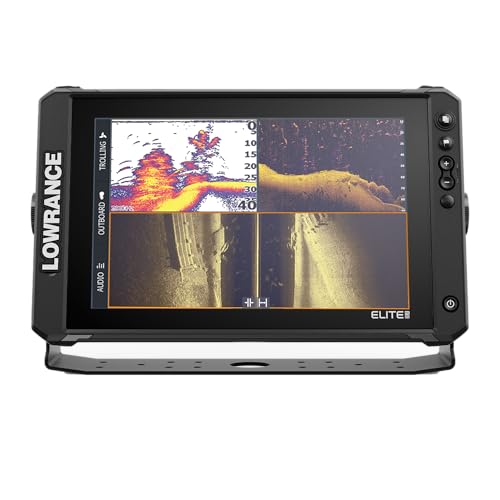
A clear, responsive display is crucial for long days on the water. Garmin units like the Garmin ECHOMAP UHD2 94sv feature a bright, sunlight-readable touchscreen that improves detail and viewing angles. Lowrance models, such as the Lowrance Elite FS 9, offer a high-resolution multi-touchscreen with flexible split-screen layouts. The Lowrance Eagle 9 TripleShot HD boasts a large 9-inch IPS screen that gives sonar and chart details more room. Your choice here depends on whether you prefer Garmin’s intuitive interface or Lowrance’s customizable layouts.
Mapping and Charting
Good maps can make or break a fishing trip. Garmin includes built-in Quickdraw Contours mapping on the Striker Vivid series, allowing you to create custom contour maps. The ECHOMAP UHD2 94sv comes with Garmin Navionics+ coastal charts for detailed navigation. Lowrance offers preloaded C-MAP US Inland mapping on the HOOK Reveal 5 and C-MAP Contour+ charts on the Elite FS 9. The Lowrance Eagle 9 includes a C-MAP Discover microSD card for inland and coastal coverage. Both brands provide solid mapping, but Garmin’s Navionics+ integration is a standout for coastal anglers. For more on mapping features, read our garmin ECHOMAP vs humminbird helix.
Connectivity and Expandability
Modern fish finders need to connect with other devices. Garmin units feature Wi-Fi connectivity for pairing with the ActiveCaptain app, allowing you to transfer waypoints and receive smart notifications. The ECHOMAP UHD2 94sv even connects to Force trolling motors for route control. Lowrance offers wireless, NMEA 2000, and Ethernet connectivity on the Elite FS 9, enabling bow-to-stern integration. The Lowrance Elite FS 9 is also Live Sonar Ready, supporting ActiveTarget 2 for real-time lure tracking. If you plan to expand your system, Lowrance offers more flexibility, while Garmin focuses on seamless integration with its ecosystem.
Final Thoughts
After reviewing these six models, the choice between Lowrance and Garmin comes down to your priorities. If you value intuitive sonar with vivid color palettes and a user-friendly interface, the Garmin Striker Vivid 7sv is an excellent all-around option for freshwater and coastal fishing. For anglers who want advanced connectivity, live sonar readiness, and detailed mapping, the Lowrance Elite FS 9 Fish Finder with Active offers a powerful, expandable system that grows with your needs. Both brands deliver exceptional performance, so pick the one that matches your fishing style and future plans.
Frequently Asked Questions
Which is better for beginners, Lowrance or Garmin?
Garmin is often more beginner-friendly due to its straightforward menus and easy-to-use interfaces. The Garmin Striker Vivid 7sv, for example, has a simple setup and vivid color palettes that help new anglers quickly identify fish. Lowrance also offers user-friendly models like the HOOK Reveal 5, but its advanced features may have a steeper learning curve.
Can I use a Lowrance transducer with a Garmin fish finder?
No, Lowrance and Garmin use different proprietary connectors and protocols. You cannot mix transducers between the two brands without an adapter, and even then, performance may be compromised. It is best to use the transducer that comes with your fish finder for optimal sonar quality.
Which brand offers better side imaging?
Both brands offer excellent side imaging, but Garmin’s SideVü sonar is known for its clarity and wide coverage. The Garmin Striker Vivid 9sv and ECHOMAP UHD2 94sv provide detailed side images. Lowrance’s SideScan on the Elite FS 9 and Eagle 9 is also highly regarded, with FishReveal overlaying CHIRP targets for better fish identification. Your choice may come down to personal preference in image processing. For a deeper dive into side imaging, see our best fish finder with side scan imaging guide.
Do these fish finders work in saltwater?
Yes, many models from both brands are suitable for saltwater use. The Garmin ECHOMAP UHD2 94sv comes with coastal charts and a transducer designed for saltwater conditions. Lowrance’s Elite FS 9 and Eagle 9 also handle saltwater well, though you should rinse the transducer and unit with fresh water after each trip to prevent corrosion. Always check the product specifications for saltwater ratings.