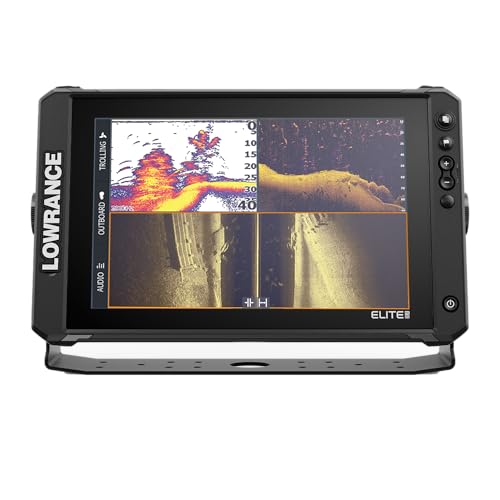

You are standing on the deck of your boat, scanning the water for that perfect spot where bass lurk near submerged timber. The sun glints off the surface, but beneath, a world of structure and fish remains hidden. A 9 inch fish finder with side imaging transforms this mystery into clarity, showing you exactly where the fish are and how they relate to cover. This guide reviews the top 9 inch fish finders for side imaging in 2026, helping you choose a model that matches your fishing style and budget. Whether you are a weekend angler or a tournament competitor, we have options from Lowrance, Garmin, and Humminbird that deliver exceptional performance. For a deeper dive into one standout model, check out our humminbird XPLORE 9 review.


Buying Guide
Sonar Technology and Imaging Quality
The core of any fish finder is its sonar capabilities. For side imaging, you need a unit that provides crisp, detailed images of the underwater landscape. Look for models with CHIRP sonar, which delivers better target separation and clarity than traditional sonar. Side imaging range matters too; a 200-foot range on each side lets you cover more water efficiently. Down imaging adds a vertical view, helping you identify structure and fish directly beneath the boat.
FishReveal technology, found on several Lowrance models, overlays CHIRP fish targets on DownScan images, making fish stand out against structure. This feature simplifies interpretation, especially for anglers new to side imaging. When comparing units, consider the transducer included. A bundled transducer that supports multiple sonar types saves you money and installation hassle.
Display and User Interface
A 9 inch screen offers a generous viewing area, but resolution and brightness matter just as much. A high-definition display with 1280 x 720 resolution shows fine details in sonar returns and chart contours. Sunlight readability is critical for on-the-water use; look for displays that are bright and anti-glare. Touchscreen interfaces provide intuitive control, allowing you to zoom, pan, and mark waypoints with a tap. Keypad controls remain a reliable backup, especially in wet conditions.
Split-screen capability lets you view side imaging, down imaging, and charts simultaneously. This flexibility helps you correlate fish marks with underwater structure in real time. If you plan to use your fish finder for navigation as well, a responsive interface becomes even more valuable. For more insights on budget-friendly options, read our guide on the best fish finder under $1000.
Mapping and GPS Features
Built-in GPS and preloaded charts transform your fish finder into a navigation tool. High-resolution contour maps reveal ledges, drop-offs, and humps that hold fish. Look for units that include detailed lake maps for your region, such as C-MAP or LakeMaster charts. Some models allow you to create custom maps with depth contours, bottom hardness, and vegetation data, giving you a personalized view of your favorite waters.
Waypoint marking is essential for returning to productive spots. A fish finder with a sensitive GPS receiver records your position accurately, even under tree cover. Compatibility with external mapping cards or services expands your chart library. If you fish multiple lakes, choose a unit that supports easy map updates.
Connectivity and Expandability
Modern fish finders integrate with other onboard electronics, such as trolling motors, radar, and network systems. Ethernet and NMEA 2000 connections allow you to share sonar data, waypoints, and routes between displays. Wireless connectivity, including Wi-Fi and Bluetooth, enables smartphone control and data transfer. If you plan to add a live sonar module in the future, ensure your fish finder supports that upgrade.
Compatibility with trolling motors is a major plus. Some units can control motor functions, such as speed and heading, directly from the fish finder screen. This integration simplifies navigation and allows you to focus on fishing. For a closer look at a popular entry-level model, see our lowrance HOOK reveal 5 SplitShot review.
Final Thoughts
Choosing the right 9 inch fish finder comes down to your specific needs and budget. For anglers who demand premium sonar and mapping, the Humminbird XPLORE 9 GPS Fish Finder delivers exceptional side imaging detail and a brilliant touchscreen. If you want real-time live sonar without breaking the bank, the Lowrance Eagle Eye 9 Live Sonar Fish Finder offers an incredible value with its Live Forward and Down views. Both models represent top choices in 2026 and will elevate your fishing experience.
Frequently Asked Questions
What is the difference between side imaging and down imaging?
Side imaging shows a wide view of the underwater area to the left and right of your boat, revealing structure, fish, and bottom contours. Down imaging provides a detailed, photo-like view directly beneath the boat, ideal for identifying fish near structure. Both technologies complement each other for a complete underwater picture.
Do I need a separate transducer for side imaging?
Most 9 inch fish finders with side imaging include a transducer that supports multiple sonar types, including side imaging, down imaging, and CHIRP. Some models, like the Garmin Striker Vivid 9sv, require a separate transducer purchase for side imaging capabilities. Always check the included accessories before buying.
Can I use a 9 inch fish finder for ice fishing?
Yes, many 9 inch fish finders can be used for ice fishing with the addition of an ice transducer and a portable carrying case. However, their larger size may be cumbersome for some anglers. Dedicated ice fishing units are often smaller and more portable, but a 9 inch screen provides excellent detail for stationary ice fishing.
How important is screen resolution for a fish finder?
Screen resolution directly affects how clearly you see sonar returns and chart details. A higher resolution display, such as 1280 x 720, shows finer details and makes it easier to distinguish fish from structure. For side imaging, where you are scanning wide areas, good resolution helps you identify subtle features that hold fish.