

You’re standing at the console, squinting at a grainy screen, trying to make out that submerged brush pile. You know there are fish holding there, but your current unit just can’t deliver the detail. Upgrading to a premium side imaging fish finder is the answer, but choosing between the new Humminbird XPLORE 10 and the established Helix series can feel overwhelming. This guide breaks down the key differences to help you decide which unit deserves a spot on your boat in 2026.
We’ve spent hours evaluating the specs and features of both lines, focusing on what really matters on the water: image clarity, sonar performance, mapping capabilities, and ease of use. Whether you’re a serious tournament angler or a weekend warrior, we’ll help you match the right fish finder to your needs and budget. For a closer look at the larger XPLORE 9, check out our humminbird XPLORE 9 review.


Buying Guide: Choosing Between XPLORE 10 and Helix 10
When you’re comparing the Humminbird XPLORE 10 and Helix 10, several key factors will influence your decision. Here’s what to consider before you buy.
Display Quality and Size
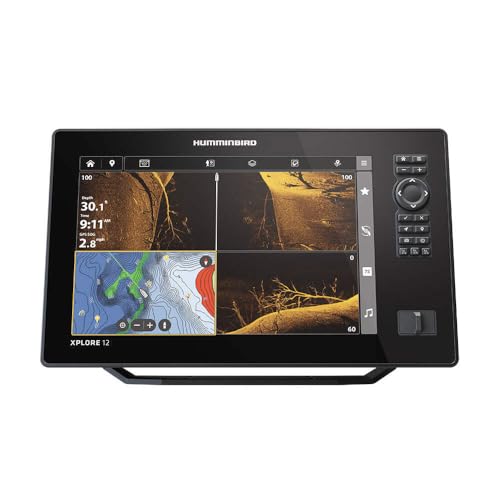
The screen is your window to the underwater world, and the XPLORE 10’s 1280 x 720 HD resolution is a significant step up from the Helix 10’s standard definition. The XPLORE also offers dual control options: a responsive touchscreen and physical keypad, which is a game-changer for quick menu navigation.
For anglers who spend hours staring at the display, the sharper image and touch interface of the XPLORE reduce eye strain and make it easier to pick out fine details like individual fish arches or subtle bottom changes. The Helix 10, while still a quality display, relies on button control, which some users prefer for its reliability in rough conditions.
Sonar Technology and Range
Both units excel at side imaging, but the XPLORE series takes it further with MEGA Side Imaging+ and MEGA Down Imaging+. This upgraded technology delivers a 200-foot range on each side, giving you a wider view of the underwater landscape. The Helix 10, on the other hand, offers MEGA Side Imaging with a 125-foot range, which is still plenty for many fishing situations.
If you frequently fish large, open water or need to cover more ground to find structure, the extended range of the XPLORE is a clear advantage. For those who fish smaller lakes or rivers, the Helix’s range is more than adequate and still provides excellent detail.
Mapping and GPS Features
Both the XPLORE 10 and Helix 10 come with Humminbird Basemap, which includes over 10,000 lakes and coastal charts. However, the XPLORE takes mapping to the next level with the included LakeMaster and CoastMaster VX map card, providing high-definition contours and depth details for US and Canadian waters. This is a significant value-add for serious anglers.
AutoChart Live is also standard on both, allowing you to create real-time maps of depth contours, bottom hardness, and vegetation. This feature is a must-have for anyone who loves exploring new water. For more insights on choosing a side imaging unit, see our best fish finder with side scan imaging guide.
Control and Connectivity
The XPLORE 10’s touchscreen interface is a major differentiator, offering a modern, intuitive experience similar to a smartphone. It also includes Bluetooth for wireless connectivity, allowing you to link to compatible Minn Kota trolling motors and receive smartphone notifications. The Helix 10 relies on a more traditional keypad system, which is durable and easy to use in gloves.
Both units support NMEA 2000 and Ethernet networking, so you can integrate them into a larger boat network. However, the XPLORE’s Bluetooth and touchscreen make it a more versatile and user-friendly option for tech-savvy anglers.
Final Thoughts
Choosing between the XPLORE 10 and Helix 10 ultimately comes down to your priorities. If you want the latest in display technology, extended side imaging range, and a touchscreen interface, the Humminbird XPLORE 10 GPS Fish Finder is the clear winner, offering premium features that will elevate your fishing game. However, if you’re looking for a proven, reliable performer with excellent sonar and a more budget-friendly price point, the Humminbird Helix 7 G4 GPS Fish Finder (a smaller, more affordable alternative) is a fantastic choice that won’t disappoint. For those who want the larger screen and don’t need the transducer, consider the Humminbird XPLORE 10 GPS Fish Finder control head only option.
Frequently Asked Questions
Can I add a transducer to the XPLORE 10 control head only model?
Yes, the control head only version of the XPLORE 10 is designed for anglers who already own a compatible transducer. You can pair it with an existing MEGA Side Imaging+ transducer or purchase one separately. This is a great option if you’re upgrading your unit but want to save money by reusing your current transducer.
Does the Helix 10 have touchscreen capabilities?
No, the Humminbird Helix 10 models rely on a keypad control system. This is a deliberate design choice, as keypads are often preferred for their reliability in rough weather or when wearing gloves. The XPLORE series is the first to offer a touchscreen interface, providing a more modern and intuitive user experience.
Is the XPLORE 10 worth the upgrade over a Helix 7?
If you value a larger screen, higher resolution, and extended side imaging range, then yes, the XPLORE 10 is a significant upgrade over the Helix 7. The XPLORE’s 200-foot side imaging range and HD display provide a much clearer picture of the underwater environment. However, the Helix 7 remains a capable and more affordable option for casual anglers. For a comparison of other units, you might find our lowrance HOOK reveal 7 tripleshot review helpful.
Do both units come with mapping cards?
The XPLORE 10 comes with a LakeMaster and CoastMaster VX map card included in the box, providing premium contour maps for US and Canadian waters. The Helix 10 does not include a map card, but it is compatible with LakeMaster, CoastMaster, and Navionics charts, which you can purchase separately. This is an important consideration when budgeting for your new fish finder.
For more reliability insights, check our most reliable fish finder guide.


